
Graston Technique Edmonton: How IASTM Heals Scar Tissue and Chronic Tendon Pain
Quick Summary
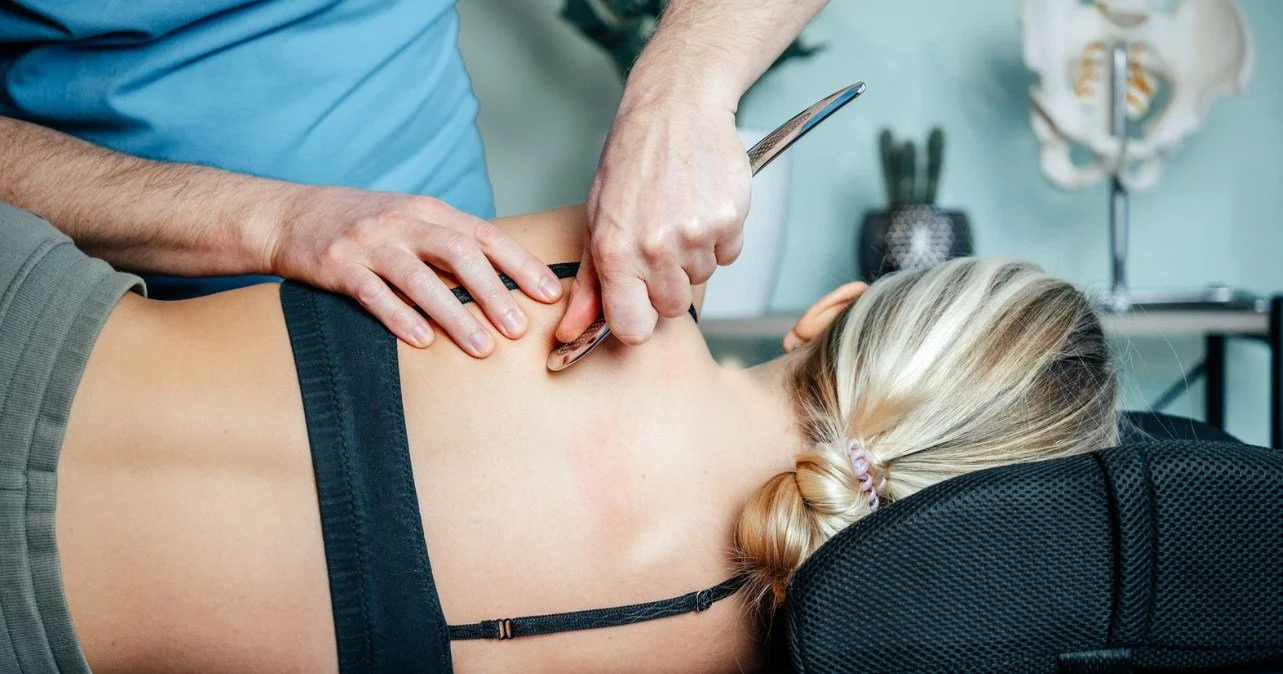
The Graston Technique utilizes stainless steel instruments to perform precise muscle scraping, breaking down dense scar tissue and fascial adhesions.
IASTM triggers a controlled inflammatory response that stimulates fibroblast proliferation, replacing rigid scar tissue with healthy, flexible muscle fibres.
This therapy is highly effective for chronic tendon pain relief, including conditions like plantar fasciitis, Achilles tendinopathy, and lateral epicondylitis.
Treatment involves temporary, localized micro-trauma, meaning mild redness or superficial bruising is a normal part of the physiological healing process.
Optimal results require a progressive treatment framework integrating soft tissue mobilization, lymphatic flushing, and eccentric loading exercises.
Consistency is required; most soft tissue remodelling protocols take four to six weeks of sustained clinical intervention and at-home biomechanical correction.
Accessing specialized care requires planning for treatments that focus purely on functional rehabilitation and nervous system integration rather than standard relaxation.
Are you dealing with lingering joint pain, chronic tendon issues, or restricted mobility that standard stretching cannot fix? If you have tried basic physical therapy or rest with no relief, the problem likely stems from dense scar tissue and fascial adhesions. The Graston Technique, a specialized form of Instrument-Assisted Soft Tissue Mobilization (IASTM), directly targets these rigid collagen fibres. Using medical-grade stainless steel tools, this therapy creates localized micro-trauma to restart the physiological healing cascade. By physically breaking down the restrictive tissues binding your muscles and tendons, scraping therapy restores elasticity, increases blood flow, and eliminates the root cause of chronic conditions like tennis elbow and Achilles tendinopathy. This comprehensive guide details exactly how the Graston Technique works, the biomechanics of tissue remodelling, what to expect during a recovery timeline, and why it provides permanent relief for stubborn musculoskeletal injuries.
What is the Graston Technique and IASTM?
Instrument-Assisted Soft Tissue Mobilization involves using specialized tools to identify and treat areas of fascial restriction and soft tissue fibrosis. The Graston Technique is the most recognized proprietary system within the broader IASTM category. When muscles endure repetitive strain or acute trauma, the body attempts to repair the damage rapidly by laying down collagen type 3 fibres. Unlike healthy muscle fibres that align parallel to each other to allow smooth contraction, this emergency repair tissue forms in a chaotic, tangled web. This web creates a hard texture, commonly referred to as a knot, which restricts normal biomechanical movement, limits range of motion, and causes chronic pain.
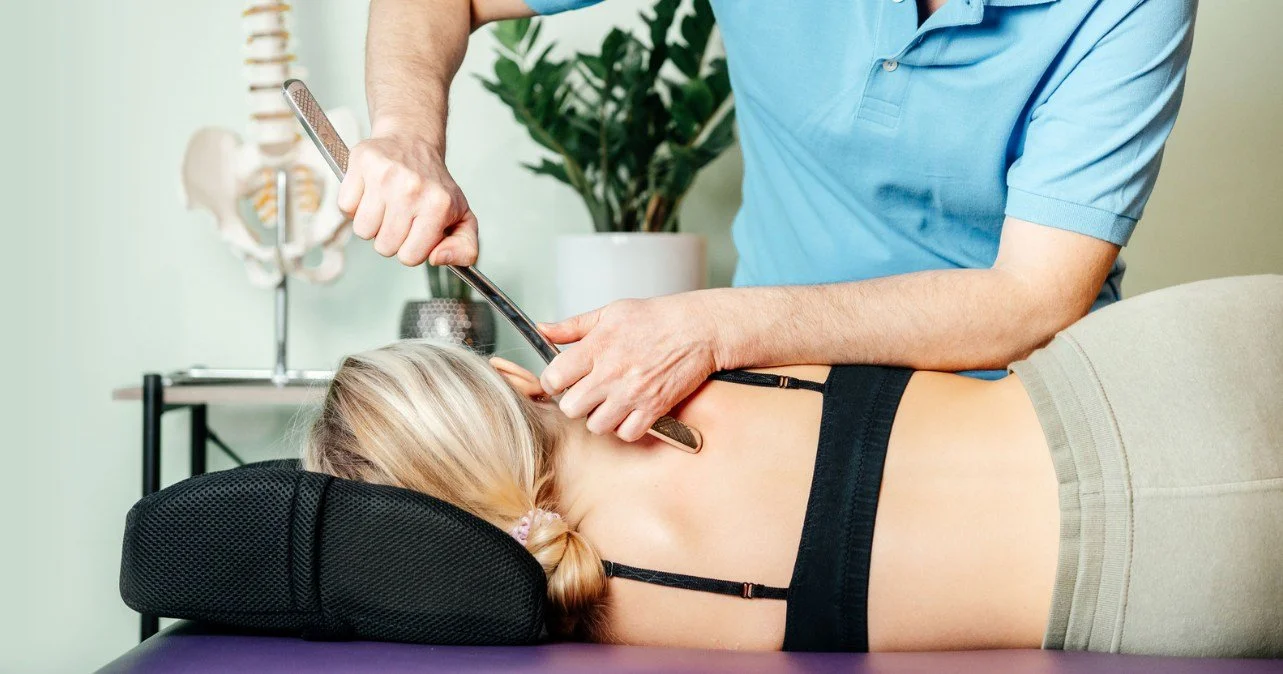
During a session, a therapist uses stainless steel soft tissue mobilization tools to detect these adhesions. The instruments act like a tuning fork, magnifying tactile feedback so the practitioner can pinpoint the exact location of fibrous tissue beneath the skin. Once identified, the therapist applies precise pressure and scraping motions along the kinetic chain. This mechanical friction physically breaks down the structural cross-links in the scar tissue.
More importantly, the scraping action induces localized micro-trauma. This controlled trauma restarts the inflammatory healing cascade that the body prematurely halted during the initial injury phase. The renewed blood flow brings fibroblasts to the area, which are cells responsible for synthesizing new, highly organized collagen. A clinical study demonstrating the effectiveness of the Graston Technique combined with instrument-assisted soft tissue mobilization confirms that this process significantly increases range of motion and breaks down tissue restrictions.
For an in-depth look at how this integration happens in a clinical setting, explore our overview of the Graston Technique & IASTM Muscle Scraping to see the instruments in action.
The Biomechanics of Chronic Tendon Pain Relief
Chronic tendinopathy occurs when a tendon fails to heal properly after an initial injury, leading to cellular degeneration and persistent pain. Tendons have notoriously poor blood supply compared to muscle tissue, making their natural recovery process exceptionally slow and inefficient. When conditions like tennis elbow or Achilles tendinopathy set in, the tendon fibres become thickened, disorganized, and highly sensitive to load.
IASTM muscle scraping therapy directly addresses this physiological deficit. By creating heavy friction over the affected tendon, the treatment stimulates mechanotransduction. This biological process converts the mechanical force of the scraping into cellular responses. The fibroblasts in the tendon react to the mechanical stress by producing new collagen and remodelling the extracellular matrix.
This structural remodelling is critical for individuals suffering from conditions that involve thick fascial bands, such as the plantar fascia. To achieve effective massage for plantar fasciitis, Edmonton residents require heavy, consistent pressure to remodel the thick connective tissue on the sole. Similarly, for upper body extremity issues, targeted interventions provide necessary relief for tennis elbow and repetitive strain by shearing the extensor tendons attached to the lateral epicondyle.
Get Expert Help Today: Dealing with stubborn tendon pain that refuses to heal? Book a specialized deep tissue session with our clinic today to start your targeted recovery plan.
The Soft Tissue Remodelling Protocol
While various clinics apply different methodologies, a highly effective approach to chronic injury recovery involves a four-phase soft tissue remodelling protocol. This functional framework ensures that the breakdown of scar tissue is actively supported by neurological resets and structural strengthening.
Phase 1: Tissue Preparation and Thermal Vasodilation
Before any instruments touch the skin, the target area requires extensive blood flow preparation. Applying localized heat or performing rapid friction manually increases superficial vasodilation. This warms the fascia, making it more pliable, increasing tissue glide, and reducing the nociceptive pain response during the heavy scraping phase.
Phase 2: Instrument-Assisted Soft Tissue Mobilization
This phase utilizes the stainless steel tools to scan the tissue and identify fibrotic lesions. The practitioner applies specific stroke patterns, such as sweeping, fanning, or scooping, depending on the anatomical structure and depth of the restriction. The primary goal is to shear the restricted fascial layers and initiate the necessary micro-trauma without causing excessive tissue damage or deep capillary rupture.
Phase 3: Neurological Reset and Flushing
After the scar tissue is physically disrupted, the central nervous system often remains in a hyper-vigilant state. Integrating techniques like Myofascial Release Therapy immediately after scraping helps calm the mechanoreceptors in the fascia. Lymphatic flushing strokes are then applied manually to move the metabolic waste and cellular debris generated by the micro-trauma out of the local tissue and into the lymphatic system for natural elimination.
Phase 4: Eccentric Loading and Functional Integration
Breaking down scar tissue is only half the anatomical process. The new collagen fibres being formed must be trained to align correctly along the line of tension. Eccentric loading exercises, where the muscle lengthens under tension, provide the mechanical blueprint for the new fibres. Applying targeted load within 24 to 48 hours post-treatment ensures the tissue heals with optimal tensile strength and maximum elasticity.
Comparing Deep Tissue Interventions
Understanding the physiological differences between various modalities helps individuals choose the correct clinical intervention for their specific pathology.
| Therapy Type | Primary Mechanism | Best For | Tool Used |
|---|---|---|---|
| Graston Technique / IASTM | Creates micro-trauma to restart fibroblast proliferation and physically shear fibrotic tissue. | Chronic tendinopathy, old scar tissue, tennis elbow, plantar fasciitis. | Stainless steel or medical-grade instruments. |
| Myofascial Release | Applies sustained, slow pressure to stretch and elongate the fascial network. | Broad fascial restrictions, postural imbalances, and generalized stiffness. | Hands, forearms, or elbows. |
| RAPID Neurofascial Reset | Targets the central nervous system to release trapped nerves and instantly reduce muscle tension. | Acute pain, nerve entrapment, restricted range of motion, neuropathic pain. | Hands-on pin and stretch techniques. |
| Traditional Deep Tissue | Uses heavy manual pressure to reach deep muscle layers and manually release tension points. | Muscle fatigue, severe hypertonicity, and general athletic recovery. | Hands, knuckles, elbows. |
For athletes dealing with severe nerve-related tightness alongside scar tissue, integrating RAPID Neurofascial Reset provides an essential alternative perspective on releasing central nervous system restrictions before scraping begins.
Local Considerations for Edmonton and St. Albert Residents
Geographic and climatic factors significantly influence injury recovery and muscle tension. In regions like Alberta, the severe winter weather forces many residents into abrupt seasonal activity shifts. Transitioning from sedentary indoor winters to intense spring sports, or dealing with the persistent biomechanical strain of walking on icy, uneven surfaces for months, drastically increases the prevalence of lower limb tendinopathies. Achilles tendinopathy scraping and plantar fasciitis interventions see high clinical demand as the seasons change and the ice thaws.
Furthermore, accessing specialized clinical care requires strict logistical planning. The Muscle Release Massage Therapy South Edmonton clinic serves a highly active demographic across the city. However, patients commuting from the urban center, western suburbs, or far northern residential districts must factor in significant winter driving time, as the clinic is geographically distinct from deep south peripheral neighbourhoods. Optimizing booking schedules outside of peak rush hours ensures patients arrive relaxed; battling heavy traffic increases systemic cortisol and sympathetic nervous system activation, which directly increases muscle hypertonicity and resistance before deep tissue treatment.
Take Action on Your Pain: Do not let winter injuries become chronic summer pain. Check our availability and secure your targeted treatment plan today.
Realistic Constraints and Recovery Timeline Checklist
The Graston Technique is not a single-session magic cure. Reversing months or years of dense tissue fibrosis requires a sustained, physiological timeline. Fibroblasts take weeks to lay down new collagen, and that newly formed collagen takes months to fully mature and strengthen. Expecting immediate structural changes from one brief session is a severe misconception that leads to patient frustration.
Here is a realistic timeline checklist for a standard IASTM recovery protocol:
Week 1: Initial Assessment and Tolerance Testing. The first clinical sessions focus on mapping the scar tissue and introducing a light scraping force. Expect superficial petechiae, which present as tiny red dots, and localized soreness lasting 24 to 48 hours.
Week 2: Increasing Depth and Friction. The practitioner applies more shear force to break up deeper structural adhesions. At-home eccentric stretching is heavily introduced to guide the healing tissue along the correct tension lines.
Week 3: Peak Inflammatory Remodelling. Patients typically notice significant functional changes in the range of motion. The clinical focus shifts to breaking down the most stubborn, dense cross-links in the tendon or muscle belly.
Week 4: Fibroblast Proliferation Phase. The targeted tissue is actively rebuilding at the cellular level. Scraping intensity may decrease slightly as the focus shifts heavily to lymphatic flushing and heavy functional loading in the gym.
Week 5: Structural Integration. The new collagen fibres are maturing. The practitioner assesses the entire kinetic chain to ensure the original biomechanical fault or postural deficit that caused the injury is fully resolved.
Week 6: Maintenance and Discharge. Resting pain should be minimal or eliminated. The patient transitions to a self-care routine with occasional maintenance treatments to prevent re-adhesion.
Common Mistakes When Seeking Muscle Scraping Therapy
Many individuals actively undermine their own recovery by making easily avoidable biomechanical or lifestyle errors during their treatment protocol.
Relying Solely on Passive Treatment: IASTM breaks the tissue down, but active movement builds it back up. Patients who receive scraping therapy but fail to perform their prescribed eccentric loading and mobility exercises will develop new scar tissue in the same disorganized pattern.
Ignoring Hydration Requirements: The fascial network relies heavily on hydration to remain pliable and allow sliding surfaces to glide. Scraping severely dehydrated tissue increases the pain response and limits the effectiveness of the mechanical shear force. High water intake is strictly mandatory before and after sessions.
Taking Anti-Inflammatory Medication Post-Treatment: The entire physiological purpose of the Graston Technique is to trigger localized inflammation to restart the cellular healing cascade. Taking NSAIDs immediately after a session artificially blunts this necessary chemical response, effectively neutralizing the long-term benefits of the treatment.
Over-Treating the Affected Area: More scraping does not equal faster healing. Daily aggressive scraping damages the tissue beyond its biological capacity to repair, leading to severe bruising, hematomas, and prolonged recovery times. Soft tissue strictly requires 48 to 72 hours of rest between intense sessions to synthesize new collagen.
What To Do If Something Goes Wrong
While highly safe when performed by a trained clinical professional, the aggressive nature of IASTM means patients occasionally experience adverse physiological reactions that require management.
Excessive Bruising or Hematoma Formation
Mild redness and light superficial bruising are normal. However, dark purple, raised, or spreading bruises indicate that the capillary beds were damaged excessively. If this occurs, immediately halt any further soft tissue manipulation on that specific area. Apply cold compresses for 15 minutes at a time to constrict blood vessels and reduce internal bleeding. Do not apply heat to a dark bruise, as this will aggressively increase swelling and pooling.
Severe Post-Treatment Soreness Lasting Beyond 48 Hours
Delayed Onset Muscle Soreness is expected, but debilitating pain that heavily limits daily function is a direct sign of over-treatment. If severe soreness persists past the three-day mark, implement active recovery techniques immediately. Perform light, unweighted range-of-motion exercises to keep blood flowing without loading the damaged tissue. Communicate this exact reaction to your practitioner before your next session so they can accurately adjust the instrument pressure and treatment duration.
Nerve Irritation or Numbness
Scraping too aggressively over superficial nerve pathways can cause temporary numbness, tingling, or an electrical shooting sensation. If you experience paresthesia after a session, avoid any direct physical pressure on that kinetic chain. Focus on gentle neural flossing exercises to mobilize the irritated nerve within its sheath, and ensure your practitioner clearly maps your specific nerve pathways to avoid them completely in future sessions.
Ready to start healing? Take control of your chronic pain with clinical precision. Request a consultation to see if IASTM is the right fit for your specific injury profile.
Frequently Asked Questions About the Graston Technique
Does the Graston Technique hurt?
The treatment can cause mild to moderate discomfort as the rigid instruments break down dense scar tissue. However, a trained practitioner will continuously monitor your pain tolerance and adjust the physical pressure accordingly. It should feel like a highly productive, localized deep tissue friction, rather than unbearable or sharp pain.
How many IASTM sessions will I need to see results?
Most patients begin to notice significant functional improvements in mobility and pain reduction within three to four consecutive sessions. A complete structural remodelling protocol typically requires six to ten sessions over a four to six-week period, heavily depending on the severity and chronicity of the original injury.
What is the difference between Graston and gua sha?
While both utilize physical tools to scrape the skin, gua sha is strictly rooted in traditional Chinese medicine and focuses on moving energy and superficial blood flow. The Graston Technique is a modern, evidence-based biomechanical intervention specifically designed to shear fascial adhesions and remodel collagen fibres in targeted musculoskeletal injuries.
Can IASTM help with an old, healed injury?
Yes, this specific therapy is highly effective for old injuries that healed incorrectly months or years ago. The instruments directly target and break down the matured, disorganized scar tissue from past traumas, allowing the body to finally absorb the old tissue and replace it with flexible, healthy fibres.
Should I ice the area after a muscle scraping session?
You should generally avoid icing immediately after a standard session unless directed by a professional to manage severe, unexpected swelling. The therapy intentionally triggers a highly beneficial inflammatory response to promote cellular healing, and applying ice will constrict blood vessels, prematurely shutting down this necessary biological process.
Is it normal to have bruising after the Graston Technique?
Mild redness and light superficial bruising, known as petechiae, are completely normal physiological responses to the localized micro-trauma induced by the stainless steel tools. However, severe, dark, or highly painful bruising is not the goal and clearly indicates that excessive pressure was applied during the therapeutic session.
Conclusion
Overcoming chronic tendon pain requires substantially more than just passive rest and superficial stretching; it demands a highly targeted biomechanical intervention to physically alter the restrictive tissues binding your movement. By utilizing the Graston Technique to actively break down scar tissue and initiate cellular fibroblast proliferation, patients can finally move past the frustrating plateau of persistent injuries.
Stop letting untreated scar tissue dictate your mobility, athletic performance, and daily comfort. Book your specialized Graston Technique session at Muscle Release Massage Therapy today. Our clinics are fully equipped to build a customized, evidence-based rehabilitation plan to get you back to moving pain-free.