

Massage, Acupuncture, Chiropractic Care for
Temporomandibular joint (TMF)
What is TMJ?
TMJ stands for the temporomandibular joint, which connects your jawbone to your skull on either side of your face. TMJ disorders (often simply referred to as TMJ) occur when this joint and the surrounding muscles become inflamed, misaligned, or overly strained. Driven by jaw clenching, teeth grinding (bruxism), stress, or joint trauma, it typically causes symptoms such as jaw clicking or popping, chronic facial pain, difficulty chewing, and tension radiating through the head, neck, and shoulders.
What can Chiropractic Care do?
Chiropractic care can help relieve TMJ pain and dysfunction by addressing misalignments and joint restrictions in the jaw, upper cervical spine (neck), and shoulders. A chiropractor can use gentle, targeted adjustments to the temporomandibular joint and neck to restore proper alignment and ease pressure on surrounding nerves. Combined with soft tissue techniques to release tight jaw muscles (such as the masseter and pterygoids) and postural exercises, chiropractic care helps reduce jaw clicking, alleviate tension headaches, and restore comfortable movement.
What can Massage Therapy do to help?
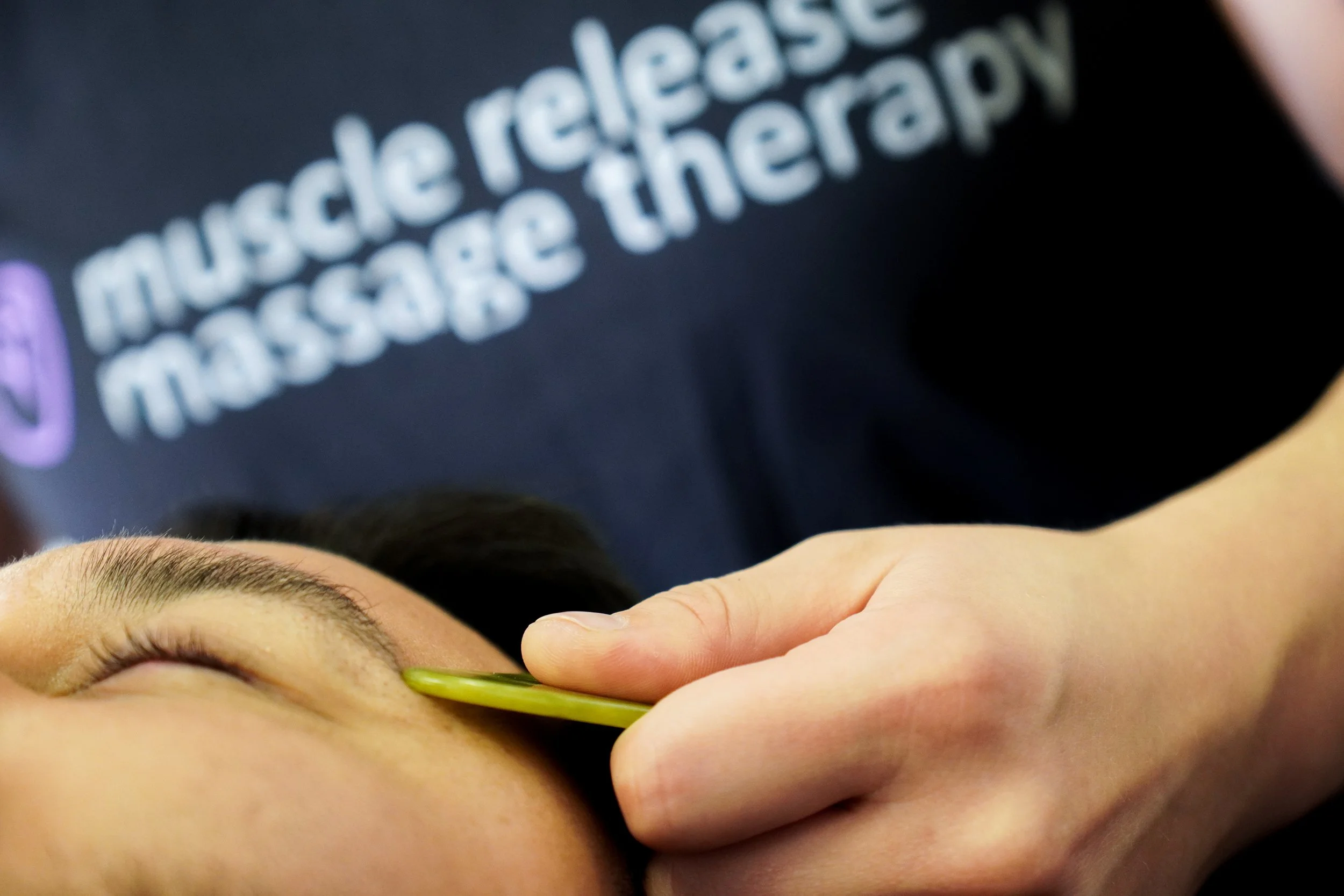
Massage therapy can help relieve TMJ pain by targeting tight, hypertonic muscles throughout the jaw, face, neck, and shoulders. A massage therapist can use gentle intraoral (inside the mouth) and extraoral soft tissue techniques, trigger point therapy, and myofascial release to loosen the masseter, temporalis, and neck muscles. By reducing tension and improving blood flow, massage therapy helps diminish jaw clenching, ease painful headaches, and restore smooth, comfortable jaw movement.
How can Acupuncture help?
Acupuncture can help relieve TMJ pain and tension by targeting specific trigger points in the jaw, face, neck, and scalp—including key muscles like the masseter and temporalis. By inserting fine, sterile needles into these tight areas, acupuncture stimulates localized blood flow, releases chronic muscle spasms, and helps ease nerve sensitivity surrounding the jaw joint. Additionally, it triggers the release of natural pain-relieving endorphins to reduce jaw clenching, alleviate tension headaches, and restore comfortable jaw mobility.
Chiropractic Care, Acupuncture, Massage Therapy for TMJ
Frequently asked Questions for TMJ
How to book TMJ treatment?
You can book in as a regular treatment and tell us about your symptoms and we can use the modalities that will best help you.
Does TMJ massage cost more?
No, TMJ treatment is included in our standard prices
Do you offer direct billing?
Yes, we will direct bill to all major insurance companies, if you are not sure please give us a call!