
Pickleball Elbow Treatment in Edmonton: Preventing Lateral Epicondylitis in Active Adults
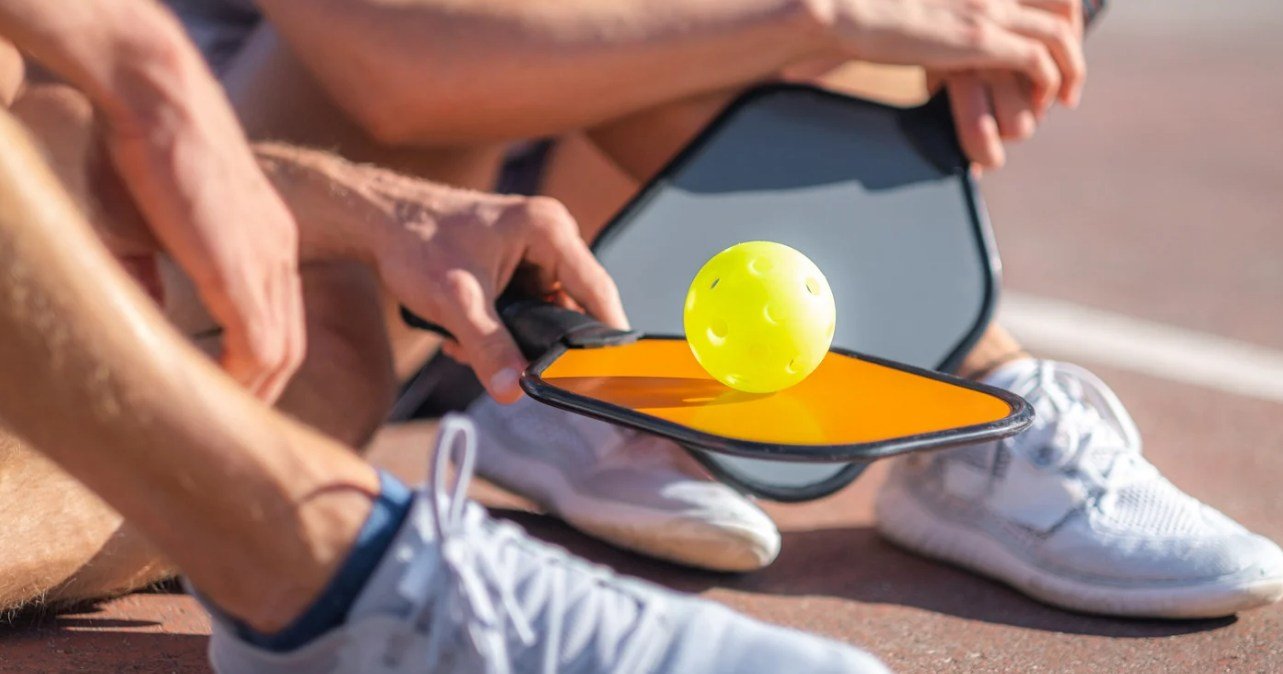
Suffering from elbow pain from pickleball? Discover effective pickleball elbow treatment in Edmonton. Learn how therapeutic massage and clinical recovery techniques resolve lateral epicondylitis for active adults.
Quick Summary
Clinical Definition: Pickleball elbow is lateral epicondylitis, an inflammation or micro-tearing of the tendons connecting forearm muscles to the outer elbow.
The Primary Cause: Repetitive "backhand flicks" and the direct vibration transfer from rigid paddles into the extensor carpi radialis brevis (ECRB) muscle.
Early Warning Signs: Tenderness on the lateral epicondyle bone and difficulty performing everyday tasks like turning a doorknob or holding a coffee mug.
Treatment Synergy: Combining therapeutic massage for sports injuries with neurological resets is often more effective than rest alone.
Equipment Impact: Heavier paddles and improper grip sizes significantly accelerate tissue degradation.
Local Recovery Access: Edmonton players can access specialized sports massage services in Edmonton to address these specific strain patterns.
Pickleball has rapidly become the most popular summer hobby in Edmonton, filling courts at Borden Park and Royal Gardens with enthusiastic players of all ages. However, the surge in participation has led to a secondary trend: a significant increase in lateral epicondylitis, commonly referred to as pickleball elbow. If you are experiencing sharp pain on the outer side of your elbow or a noticeable weakening of your grip after a weekend at the courts, you are likely dealing with a repetitive strain injury. The goal of this guide is to explain why the specific biomechanics of pickleball cause this condition and to provide a clear clinical path for recovery. By understanding the interaction between paddle vibration and forearm anatomy, you can move from managing pain to achieving long-term athletic durability.
The Biomechanics of the "Backhand Flick"
Unlike tennis, which utilizes a long, sweeping stroke with a stringed racket that absorbs shock, pickleball involves a shorter, more compact swing with a solid paddle. In 2026, paddle technology has leaned toward more rigid, power-focused polymer cores. While these increase ball velocity, they provide almost zero vibration damping.
When an Edmonton player performs a backhand at the kitchen line, they often use a "flicking" motion of the wrist. This motion puts an immense, sudden load on the extensor carpi radialis brevis (ECRB).
Comparing Tennis Elbow vs. Pickleball Elbow
| Feature | Tennis Elbow | Pickleball Elbow |
|---|---|---|
| Primary Motion | High-velocity overhead serves and baseline drives. | Quick-twitch dinks and backhand kitchen flicks. |
| Impact Type | Dispersed through string tension. | Direct vibration through the solid paddle surface. |
| Muscle Load | High eccentric load on the full arm. | High concentric load on the wrist extensors. |
| Inflammation Site | Broad tendon attachment. | Often localized to a specific "hot spot" on the bone. |
| Frequency of Play | Moderate (standard match length). | High (often multiple hours of back-to-back games). |
The "Vibration Damping" Recovery Framework
To effectively resolve elbow pain from pickleball, a recovery plan must address more than just the site of pain. This framework focuses on reducing the mechanical load while increasing the tissue's capacity to handle vibration.
1. The Distal Release
The first step is not to work on the elbow itself, but on the wrist and hand. When the forearm muscles are tight, they pull constantly on the elbow attachment. By usingdeep tissue work for chronic tendonitis, an RMT can release the tension in the belly of the muscle, providing immediate slack to the inflamed tendon.
2. The Proximal Stabilization
Often, elbow pain is the result of weak shoulder stabilizers. If the rotator cuff and serratus anterior are not engaging, the forearm must work twice as hard to stabilize the paddle. A comprehensive sports massage Edmonton session will include work on the upper back and shoulder to ensure the "power chain" is balanced.
3. Neurological Desensitization
Techniques such as RAPID Neurofascial Reset are used to "reset" the pain signal. By applying direct pressure to the ECRB while the player moves through their backhand range of motion, the brain learns that the movement is safe, reducing the protective guarding that causes stiffness.
Ready to get back on the court without pain?Book a clinical assessment at our South Edmonton clinic.
Local Considerations for the Edmonton Pickleball Community
Edmonton’s climate and court infrastructure play a surprising role in lateral epicondylitis.
The Temperature Factor: Edmonton mornings can remain cool even in mid-summer. Playing with "cold" muscles increases the risk of micro-tears. Tendons have poor blood supply compared to muscles, and cold weather further restricts circulation. It is recommended to perform a dynamic warm-up specifically for the forearms before starting a match at courts like Borden Park.
Wind Resistance: Our city is known for sudden wind gusts. Playing against the wind requires a tighter grip and more forceful swings to propel the ball, significantly increasing the mechanical load on the lateral epicondyle.
Surface Hardness: Many local community league courts are repurposed from asphalt. This hard surface increases the shock transmitted through the body during play, contributing to overall systemic fatigue and making the elbow more vulnerable.
The Edmonton April Surge: The Danger of the Thaw
In Edmonton, the transition from indoor play at facilities usually happens in April or May. This "April Surge" is the highest-risk period for lateral epicondylitis relief in Edmonton cases.
The outdoor ball is harder and less forgiving than the indoor green balls. Furthermore, the wind resistance in the River Valley requires players to swing harder to maintain depth. If you have spent the winter being relatively inactive, your tendons have likely stiffened or lost some of their collagen elasticity. Jumping into a 3-hour outdoor session without a 4-week ramp-up period is a primary cause of sudden-onset elbow failure.
Common Mistakes in Pickleball Recovery
Many players unknowingly prolong their injury by following outdated advice or ignoring early signals.
Using a "Death Grip": Many new players hold the paddle too tightly. A grip pressure of 4/10 is usually sufficient. A tighter grip keeps the forearm muscles in a state of constant contraction, leaving no room for blood flow or shock absorption.
Over-Icing Chronic Pain: While ice is helpful for the first 24 hours of an acute injury, chronic pickleball elbow is often a degenerative condition (tendonosis) rather than an inflammatory one (tendonitis). Heat and massage are often more effective at this stage to encourage blood flow and tissue remodelling.
Ignoring the "Backhand Flick": Trying to muscle a backhand with only the wrist is the fastest way to re-injure the elbow. Players should focus on using their core and shoulders to drive the paddle.
Returning Too Soon: Because pickleball is social and addictive, many players return to the court as soon as the pain is tolerable. Without professionalelbow tendonitis recovery work, the micro-tears never fully heal, leading to a permanent thickening of the tendon that is much harder to treat.
What To Do If Something Goes Wrong
If you experience a pop sensation or sudden, sharp pain during a game, follow these steps:
Immediate Cessation: Stop playing immediately. Continuing to play on a suspected tear can lead to a full rupture.
The "Grip Test": Try to squeeze a ball. If you have a significant weakness or the pain makes you drop the ball, seek a clinical assessment.
Compression: Use a counterforce brace (a strap that sits just below the elbow) to offload the tendon.
Professional Consultation: If the pain does not subside within 48 hours of rest, book an appointment with aspecialized RMT.
Step-by-Step Prevention Checklist
Use this checklist to ensure you are protecting your elbows during the peak Edmonton pickleball season.
[ ] Grip Size Check: Ensure your paddle grip is not too small. A small grip requires more finger strength, which overworks the forearm extensors.
[ ] Paddle Material: If you have a history of elbow pain, consider switching to a "control" paddle with a thicker core designed for vibration damping.
[ ] Dynamic Warm-Up: Perform 2 minutes of wrist circles and "finger flicks" to bring blood flow to the tendons.
[ ] Post-Game Stretching: Perform 30-second holds of the "Wrist Extensor Stretch" (arm straight, palm down, pull hand toward the underside of the forearm).
[ ] Hydration: Tendons are composed mostly of water and collagen. Dehydration makes them more brittle and prone to tearing.
[ ] Regular Maintenance: Schedule a monthlytherapeutic massage to clear out adhesions before they become chronic issues.
Service Logistics and Realistic Constraints
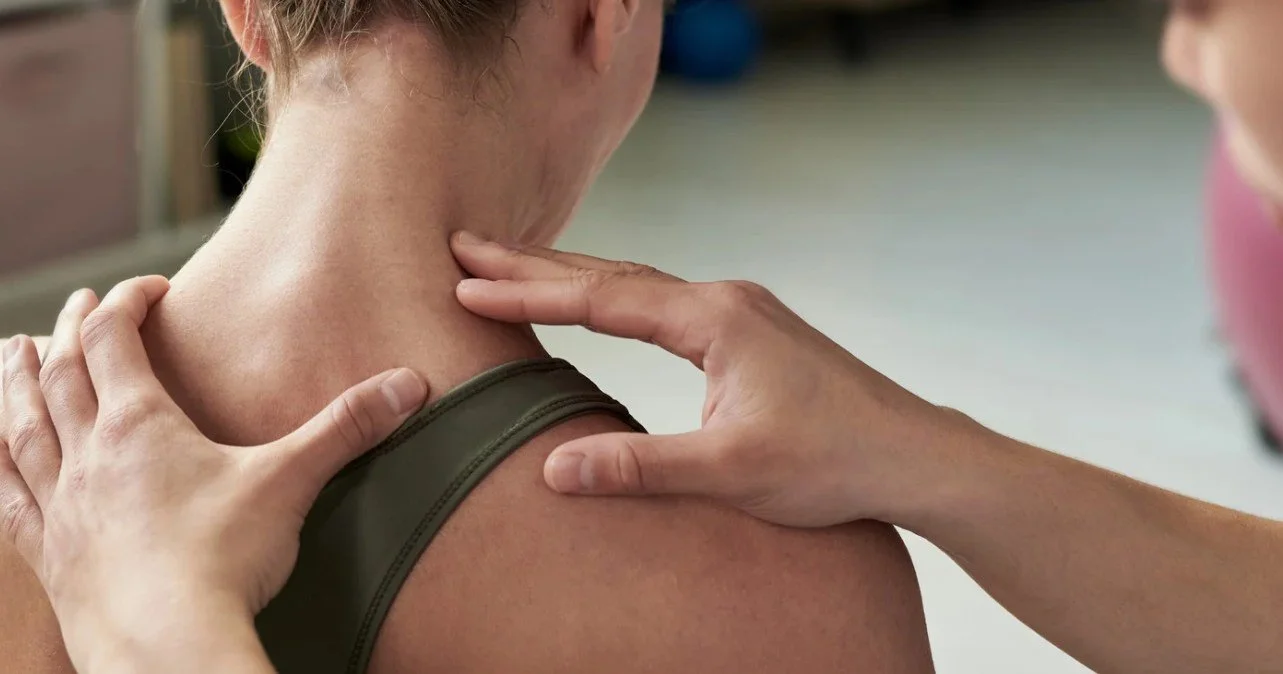
At Muscle Release Massage Therapy, we focus on clinical results, but there are logistical factors to keep in mind for your recovery:
Accessibility: Please be aware that our South Edmonton facility does not currently have wheelchair-accessible parking or restrooms. We apologize for any inconvenience this may cause.
Direct Billing: We simplify the pickleball elbow treatment Edmonton process by offering direct billing to most major insurance providers, including Alberta Blue Cross, Sun Life, and Canada Life.
Treatment Timeline: Tendon injuries are slow to heal. Expect a minimum of 4–6 weeks of consistent clinical work and home-care exercises to see a permanent reduction in symptoms for chronic cases.
FAQ: Resolving Elbow Pain from Pickleball
Can massage therapy fix my elbow pain?
Massage therapy is highly effective for lateral epicondylitis relief in Edmonton because it addresses the muscular tension pulling on the elbow and promotes blood flow to the poorly vascularized tendons.
Should I wear a brace while playing?
A counterforce brace can help by distributing the pressure away from the tendon attachment. However, a brace is a temporary fix and should be used in conjunction with clinical massage to address the root cause of the tension.
How do I know if I need a deep tissue or therapeutic massage?
Your RMT will decide during the initial assessment. Generally,deep tissue work is used to break up old adhesions, while therapeutic massage is used for acute pain management and functional movement resets.
Can I still play pickleball while recovering?
In most cases, we recommend a relative rest period. You may be able to play at a lower intensity or for shorter durations, provided you are following a recovery plan and using proper warm-up techniques.
Is "Pickleball Elbow" just a fancy name for Tennis Elbow?
Medically, both are lateral epicondylitis. However, the mechanism of injury in pickleball is unique due to the short lever paddle and the absence of strings. The vibration is much sharper in pickleball, which often leads to more localized, bony pain on the lateral epicondyle rather than broad muscle soreness.
Why does my grip feel weak even if my elbow doesn't hurt yet?
Grip weakness is often the first neurological sign of an impending injury. When the brain detects micro-damage in the elbow tendon, it inhibits the forearm muscles to prevent further tearing. If you find yourself dropping your paddle or struggling to open jars, your body is already in a protective guarding phase and requires clinical recovery work.
Can I use a heating pad on my elbow?
For chronic elbow pain (lasting more than 4 weeks), heat is generally better than ice. Heat increases blood flow to the tendon, which has naturally poor circulation. Increasing the temperature of the tissue before you stretch or perform your eccentric exercises makes the collagen more pliable and receptive to remodelling.
Conclusion
Pickleball is a fantastic way to stay active and connected to the Edmonton community, but the physical demands on the forearm are significant. Preventing pickleball elbow requires a combination of proper equipment, improved biomechanics, and proactive muscle maintenance. By addressing lateral epicondylitis through a clinical lens—focusing on the "Vibration Damping" framework—you can avoid the frustration of a season-ending injury and keep your grip strength intact.
Ready to get back on the Borden Park courts pain-free? Our South Edmonton and St. Albert RMTs are experts in treating repetitive strain injuries and sports-related tendonitis.Book your appointment online today to start your clinical recovery journey.