
Beyond the Mouthguard: A Clinical Guide to Relieving TMJ and Jaw Tension in Edmonton
Quick Summary: Key Takeaways for TMJ Relief
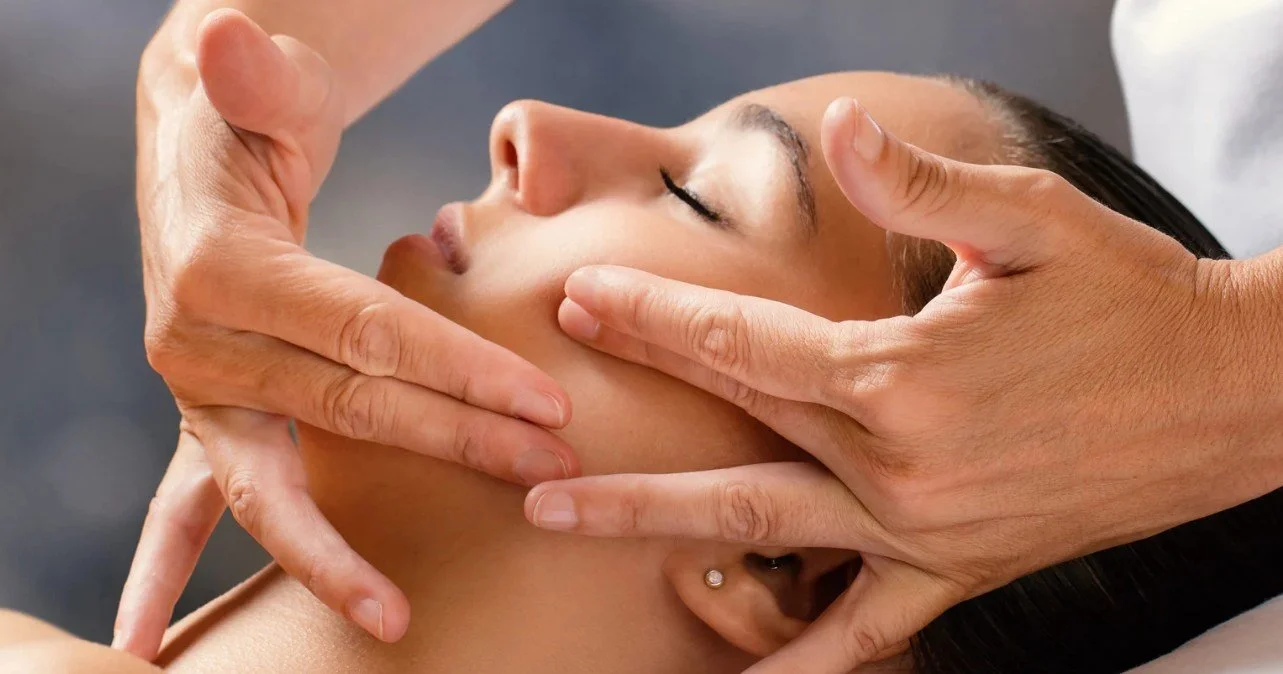
Root Cause Focus: Clinical massage targets the muscles of mastication (chewing) rather than just protecting tooth enamel from wear.
Intraoral Techniques: Specialized internal jaw massage is often necessary to reach the lateral pterygoid muscles.
The MTP Reset: A structured approach focusing on the Masseter, Temporalis, and Pterygoid muscles.
Edmonton Context: Local environmental factors like cold-weather jaw clenching and "dry air mouth breathing" can exacerbate symptoms.
Beyond Guards: Manual therapy can reduce the frequency of jaw locking and clicking that passive mouthguards cannot fix.
Professional Guidance: Seeking a Registered Massage Therapist (RMT) in Alberta ensures treatment meets provincial clinical standards.
If you wake up with a dull ache in your temples, a clicking jaw, or the feeling that your teeth no longer fit together correctly, you are likely among the thousands of Edmontonians dealing with Temporomandibular Joint (TMJ) dysfunction. While many are prescribed a plastic mouthguard to protect their teeth from grinding, this often treats the symptom rather than the source. The source is frequently found in the complex network of muscles and fascia surrounding the jaw. This guide explores clinical massage strategies designed to release chronic tension, improve joint mobility, and provide a long-term solution that goes beyond simply wearing a night guard.
For many patients, the frustration of TMJ lies in its persistence. You might have tried stress management, heat packs, or even specialized pillows, only to find the "clench" returns the moment you face a stressful workday or a cold Alberta morning. Clinical massage therapy offers a different path by physically decompressing the joint and lengthening the muscles that have become chronically shortened. By the end of this article, you will understand the anatomical drivers of jaw pain and the specific clinical workflows used to resolve them.
Understanding the Anatomy of Jaw Tension
The Temporomandibular Joint is one of the most complex joints in the human body, acting as a sliding hinge that connects your jawbone to your skull. Because it facilitates both rotation and gliding motions, it is highly susceptible to misalignment when the surrounding muscles become hypertonic (overly tight). The jaw does not move in isolation; it is part of a functional unit that includes the skull, the cervical spine, and the hyoid bone in the throat.
The primary muscles involved in TMJ tension include:
Masseter: Often cited as the strongest muscle in the body by weight, the masseter is responsible for closing the jaw with immense force. It is frequently the site of deep, "achy" pain.
Temporalis: A broad, fan-shaped muscle on the side of the head. When this muscle is tight, it is the primary driver behind "tension headaches" that feel like a vice gripping the skull.
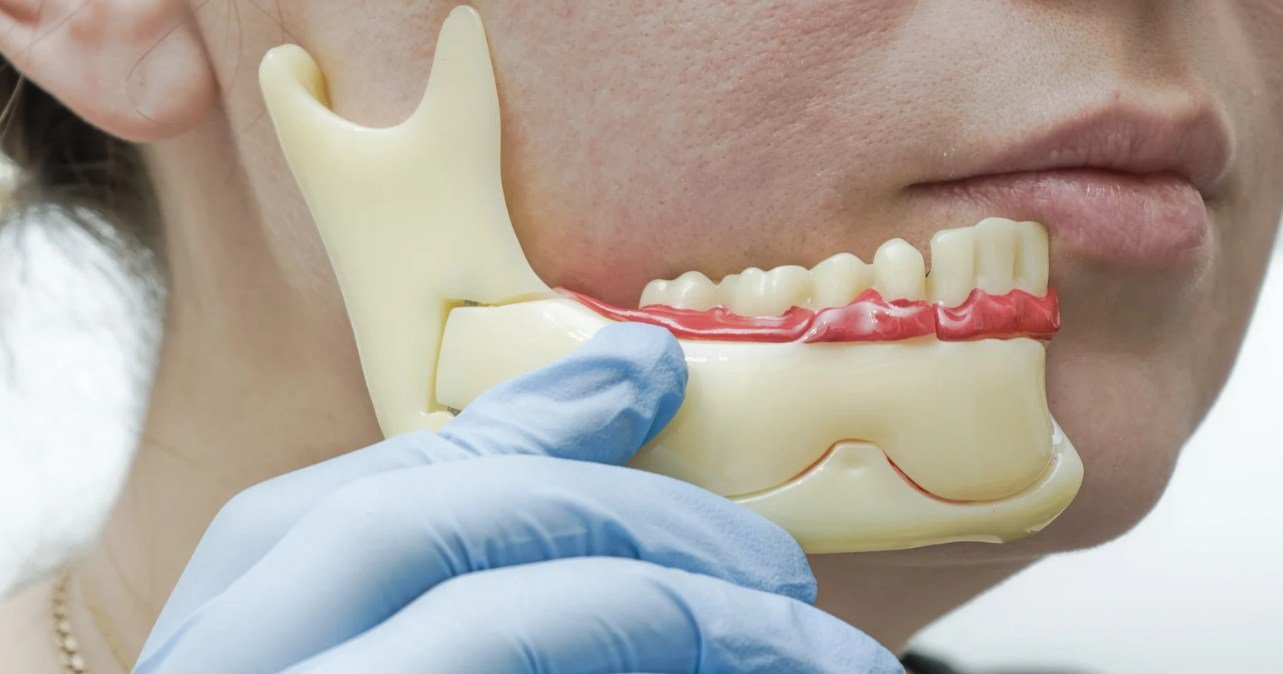
Medial and Lateral Pterygoids: Located deep within the jaw and accessible primarily through the mouth. The lateral pterygoid is especially important as it controls the disc inside the joint; when it spasms, the jaw clicks.
When these muscles are constantly engaged due to stress, posture, or bruxism (teeth grinding), they develop trigger points. These "knots" can refer pain to the ear, the forehead, and even the upper teeth, leading many to believe they have a dental cavity or an ear infection when the issue is actually muscular.
Why Mouthguards Are Not a Complete Cure
Dental mouthguards are excellent at preventing "tooth-on-tooth" wear. However, they are passive devices. They do not actively lengthen a shortened masseter muscle or release a trapped nerve in the jaw capsule. Relying solely on a guard can sometimes lead to a false sense of security while the muscular tension continues to pull the joint out of alignment. Integrating therapeutic massage for jaw pain allows for the active manipulation of these tissues to restore balance.
The Masseter-Temporal-Pterygoid (MTP) Reset Framework
Effective clinical treatment for TMJ requires a systematic approach. This original framework focuses on the three primary muscle groups that dictate jaw position. By addressing them in a specific order, a therapist can reduce guarding and achieve deeper releases without triggering the body's natural "fight or flight" response.
The MTP Reset Phases
Phase Target Muscle Group Objective Technique Used Phase 1 Temporalis & Scalp Fascia Reduce peripheral tension and "tension headaches." Myofascial broadening and slow longitudinal strokes. Phase 2 External Masseter Deactivate primary trigger points responsible for clenching. Ischemic compression and cross-fibre friction. Phase 3 Intraoral Pterygoids Release deep internal muscles that control jaw lateralization. Internal gloved manipulation and pincer palpation. Phase 4 Cervical Integration Align the neck (C1-C3) to support a neutral jaw resting position. Suboccipital release and levator scapulae stretching.
Ready to address the root cause of your jaw pain? Book a TMJ-focused massage session with a clinical therapist today.
Intraoral Massage: The Clinical Difference
Many people are surprised to learn that some of the most effective work for TMJ relief happens inside the mouth. Intraoral massage involves the therapist wearing nitrile gloves and using a finger to palpate the muscles along the inside of the cheek and behind the molars.
This technique is specifically used to reach the Lateral Pterygoid. This muscle is nearly impossible to access from the outside but is almost always involved when a patient experiences "clicking" or "popping" during opening. By applying gentle, sustained pressure to this area, the therapist can encourage the muscle to drop its protective guarding, allowing the jaw disc to slide more smoothly.
The Fascial Connection: Beyond the Jawline
To truly understand why jaw tension persists even after dental intervention, we must look at the body’s fascial network. Fascia is a continuous web of connective tissue that surrounds every muscle, nerve, and organ. In the case of TMJ, the fascia of the jaw is inextricably linked to the Deep Front Line, a functional chain of connective tissue that runs from the floor of the mouth, down the throat, into the thoracic cavity, and all the way to the arches of the feet.
When an individual in Edmonton deals with "heavy winter boots" or an altered gait due to icy sidewalks, the tension can actually migrate upward through this chain. Restrictions in the diaphragm or the deep neck flexors (like the longus colli) create a downward pull on the hyoid bone, which in turn forces the jaw muscles to overwork just to keep the mouth closed. This is why a clinical approach often involves assessing the chest and anterior neck; releasing the pectorals and sternocleidomastoid (SCM) muscles is frequently the "missing link" that allows the jaw to finally relax.
Edmonton-Specific Considerations for Jaw Tension
In Western Canada, specifically Edmonton, environmental factors play a significant role in TMJ flare-ups.
Cold Weather Clenching: During the winter months, many residents subconsciously clench their teeth and hunch their shoulders to generate heat or as a reaction to the biting wind. This "thermal guarding" can lead to seasonal spikes in jaw pain.
Commuter Stress: Long winter commutes on the Anthony Henday or Whitemud Drive often lead to "driving posture"—forward head carriage and a tight jaw—which puts immense strain on the cervical spine and TMJ. Usingdeep tissue massage techniques can help mitigate this specific postural strain.
Dry Climate: The arid Alberta air can lead to mouth breathing, which alters the resting position of the tongue and jaw. A tongue that does not rest on the roof of the mouth fails to provide internal structural support for the upper jaw, potentially worsening TMD symptoms over time.
Common Mistakes in Managing TMJ
Many individuals inadvertently prolong their suffering by following outdated advice or incomplete treatment plans.
Ignoring the Neck: Treating the jaw without addressing the upper cervical spine is a major mistake. The jaw and neck function as a single unit; if the neck is out of alignment, the jaw cannot sit centrally.
Over-Chewing: Habits like gum chewing or biting ice can keep the masseter in a state of constant hypertrophy.
Self-Adjusting: Attempting to "pop" your own jaw for temporary relief can lead to ligament laxity and increased joint instability.
Relying on Anti-Inflammatories: Medications mask the pain but do not change the mechanical dysfunction of the muscles.
Poor Tongue Posture: The tongue should naturally rest on the roof of the mouth (just behind the front teeth). If it rests on the floor of the mouth, it increases the workload on the jaw muscles.
Daily Ergonomics: The "Home Office" Jaw
With the rise of remote work in Edmonton’s professional sectors, "Tech Neck" has become a primary driver of TMJ dysfunction. When you lean forward to look at a monitor, your center of gravity shifts. To prevent your head from falling forward, the muscles at the back of your neck contract, and the muscles under your jaw (the suprahyoids) pull the mandible backward.
Ergonomic Checklist for TMJ Patients:
Monitor Height: The top third of your screen should be at eye level to prevent chin tucking or jutting.
Micro-Breaks: Every 30 minutes, perform the "N-Rest" position (place the tip of your tongue on the roof of your mouth behind your teeth and breathe through your nose).
Arm Support: Use armrests to take the weight of your limbs off your upper trapezius, which shares a nerve pathway with the jaw.
Hydration: Fascia requires hydration to stay pliable; the dry Alberta climate makes this a non-negotiable part of jaw health.
A Clinical Workflow for Long-Term Jaw Rehabilitation
If you are seeking professional help for TMJ, a structured clinical process is essential. While everybody is different, a typical path toward resolution often follows this timeline:
Step-by-Step Recovery Timeline
Assessment (Week 1): Evaluation of jaw opening (measured in millimetres), checking for deviations to the left or right, and identifying clicking patterns.
External Release (Weeks 1-2): Initial sessions focus on the neck and outer jaw to reduce overall inflammation and sensitivity.
Intraoral Integration (Weeks 3-5): Specific work inside the mouth to target the pterygoids and the deep fibres of the masseter.
Neuromuscular Re-education (Weeks 6+): Implementation of "resting jaw" exercises and postural corrections to ensure the tension does not return.
Maintenance (Monthly/Quarterly): Periodic check-ins to manage stress-related clenching before it becomes a chronic dysfunction.
Have questions about what to expect during your first visit? Visit ourMassage Therapy Preparation and FAQ page for detailed information.
What To Do If Something Goes Wrong
While clinical massage is safe, TMJ issues are delicate.
Increased Soreness: It is normal to feel some "post-treatment soreness" for 24–48 hours after intraoral work. This is the tissue adapting to a new length. If this persists, apply a warm compress and consult your therapist.
Locked Jaw: If your jaw "locks" (either open or closed), do not attempt to force it. This is often an inflammatory response in the joint capsule or a disc displacement. Contact a medical professional or a specialized physiotherapist immediately.
Dizziness or Tinnitus: If massage therapy triggers significant vertigo or ear ringing, the issue may involve the inner ear or the vestibular system, requiring a different clinical approach.
FAQ: TMJ and Massage Therapy
How many sessions are needed for TMJ relief? Most clients notice a significant reduction in tension after 3 to 5 sessions. Chronic cases involving significant joint clicking or long-term bruxism may require a longer-term monthly maintenance plan to manage symptoms effectively.
Does intraoral massage hurt? It can be intense because the internal jaw muscles are often very tender and rarely touched. However, a clinical therapist works within your pain tolerance using slow, sustained pressure to ensure the muscle releases without causing further guarding.
Can massage fix a clicking jaw? If the clicking is caused by a muscular imbalance pulling the disc out of place, manual therapy can often reduce or eliminate it. If the disc itself is physically damaged, massage focuses on reducing associated pain and improving the range of motion.
Will my insurance cover TMJ massage? Yes, as long as the treatment is performed by a Registered Massage Therapist (RMT). In Alberta, TMJ-specific work is billed under standard therapeutic massage benefits and is covered by most major extended health providers.
Should I see a dentist or a massage therapist first? A dentist is essential for diagnosing structural tooth wear or sleep apnea. A massage therapist is the preferred choice for treating the muscular and fascial tension that causes the pain, making them excellent complementary providers.
Can I drive after a TMJ massage? Yes, though some clients feel a bit lightheaded or "floaty" as blood flow to the head and neck increases. It is recommended to sit in our reception area for a few minutes and hydrate before driving home.
Is it safe if I have dental implants or braces? Yes, but you must inform your therapist. We adjust the pressure and avoid direct manipulation of the hardware while still focusing on the surrounding muscle tissue.
Conclusion
TMJ dysfunction is more than just a dental issue; it is a complex muscular and fascial challenge that requires a clinical, hands-on approach. By moving beyond the passive protection of a mouthguard and actively treating the masseter, temporalis, and pterygoid muscles, you can restore the natural function of your jaw. Whether your tension is driven by Edmonton’s cold winters, postural stress, or chronic bruxism, clinical massage provides a pathway to lasting relief.
Take the first step toward a pain-free jaw today. Our Edmonton-based clinical team is ready to help you move beyond the mouthguard.View our pricing and book your appointment online to start your journey to a pain-free smile.