
The Edmonton Runner’s Guide to Preventing Shin Splints and Plantar Fasciitis Injuries

Quick Summary
Early Intervention: Addressing minor tension in the posterior tibialis and calves can prevent full-blown shin splints.
Fascial Health: Utilizing Fascial Stretch Therapy helps maintain the elasticity required for high-impact running on Edmonton’s concrete paths.
Biomechanical Balance: Proper foot strike and glute activation reduce the load on the plantar fascia.
Local Strategy: Transitioning from treadmills to outdoor River Valley trails requires a gradual loading phase to avoid overuse injuries.
Manual Modalities: RAPID Neurofascial Reset and IASTM (muscle scraping) are effective for managing scar tissue and neurological tension.
Consistent Maintenance: Monthly sessions for St. Albert sports massage for runners serve as a diagnostic tool to find persistent tightness before it becomes an injury.
Running performance depends on the structural integrity of the lower limbs. For many athletes in the Greater Edmonton Area, training is often interrupted by the onset of medial tibial stress syndrome (shin splints) or the sharp heel pain of plantar fasciitis. This guide is designed to help you understand the biomechanical triggers of these conditions and implement a proactive strategy to maintain high mileage. The goal of this article is to provide actionable insights into preventing running injuries in Edmonton through a combination of professional manual therapy, correct movement patterns, and local environmental awareness. By addressing tissue tension and joint mobility before pain becomes chronic, you can ensure your marathon or 10k training remains on track without unplanned layoffs.
Understanding the Mechanics of Common Running Injuries
To effectively engage in preventing running injuries in Edmonton, one must first understand the anatomy of the two most common culprits: shin splints and plantar fasciitis.
Medial Tibial Stress Syndrome (Shin Splints)
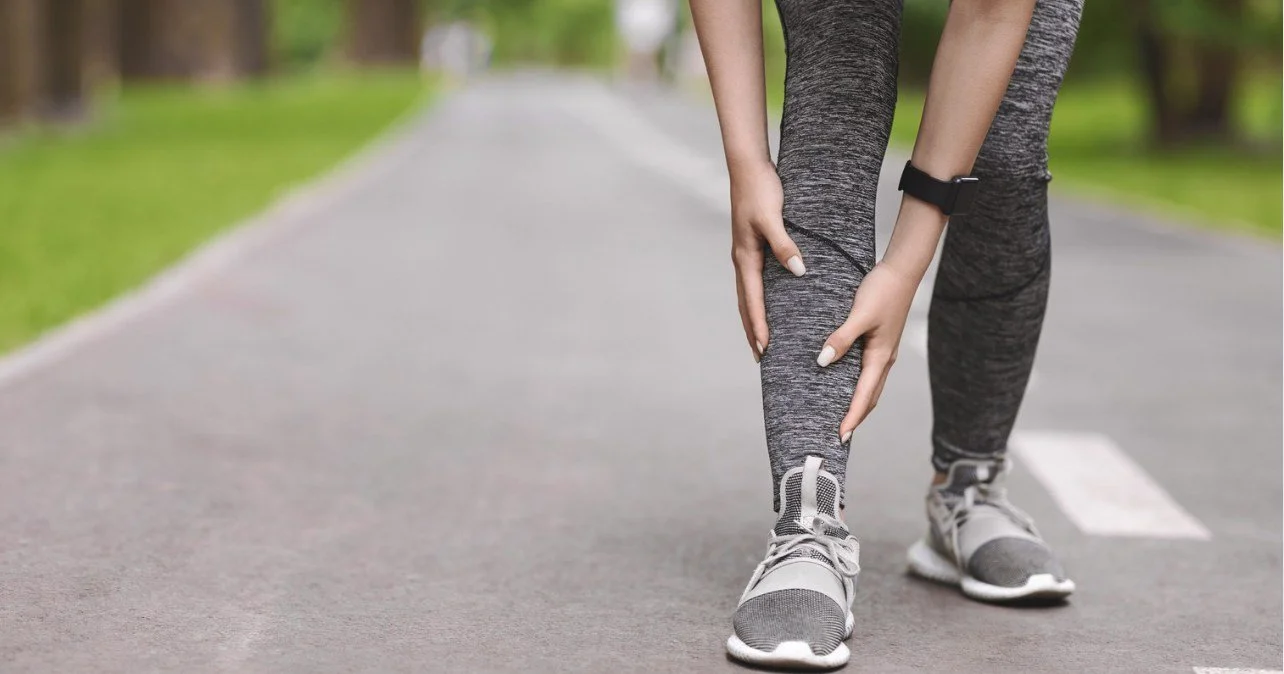
Shin splints occur when the muscles, tendons, and bone tissue around the tibia become inflamed. This is often the result of repetitive stress caused by hard surfaces or a sudden increase in training volume. The posterior tibialis muscle plays a significant role here; it is responsible for stabilizing the foot during the stance phase. When this muscle is overworked or too tight, it pulls on the periosteum of the tibia, leading to that familiar aching or sharp pain along the inner edge of the shin bone.
Plantar Fasciitis
The plantar fascia is a thick band of tissue that connects the heel bone to the toes, creating the arch of the foot. Its primary job is shock absorption. If the load exceeds the tissue’s capacity—often due to tight calves or poor footwear—the fascia develops micro-tears. This results in plantar fasciitis prevention for runners becoming a priority, especially for those with high arches or flat feet who struggle with proper weight distribution during the gait cycle.
Local Considerations for Edmonton and St. Albert Runners
Geography and climate play a significant role in how injuries develop. Runners in the Edmonton area face specific environmental challenges that influence injury rates.
Hard Surface Impact: Much of Edmonton’s premier running infrastructure, including the Victoria Park paths and the residential sidewalks in St. Albert, consists of concrete. Concrete is significantly harder than asphalt or trail dirt, returning more force into the shins and feet with every stride.
The Seasonal Transition: In the spring, many local runners move from the dampened impact of a treadmill to the unforgiving outdoor pavement. This sudden change in "ground reaction force" is a primary trigger for how to stop shin splints before they start.
River Valley Elevation: The steep inclines and declines of the Edmonton River Valley trails put immense strain on the eccentric control of the calves and the stabilizing muscles of the ankle. Downhill running, in particular, increases the load on the anterior tibialis, often leading to front-of-leg pain.
Comparison: Shin Splints vs. Plantar Fasciitis
Feature Shin Splints (MTSS) Plantar Fasciitis Primary Location Inner edge of the tibia (shin bone) Bottom of the heel/arch Pain Timing Often worsens during or after a run Most severe during the first steps in the morning Common Cause Sudden mileage increase; hard surfaces Tight calves; poor arch support; overpronation Key Muscle Focus Posterior Tibialis and Soleus Gastrocnemius and Plantar Fascia Recommended Therapy Therapeutic massage for shin splints Muscle scraping for plantar fasciitis
The Elastic Runner Framework: A Proactive Model
To maintain longevity in the sport, runners can benefit from the Elastic Runner Framework. This is a conceptual model focused on three pillars: Pliability, Stability, and Load Management.
Pliability: Ensuring the fascia and muscle fibres can glide over one another without restriction. This is wherefascial stretch therapy for running performance becomes essential.
Stability: Strengthening the intrinsic muscles of the foot and the lateral stabilizers of the hip. Without hip stability, the knee collapses inward, causing the foot to overpronate and straining the shin.
Load Management: Following the 10% rule (not increasing weekly volume by more than 10%) to allow the bone and connective tissue to adapt to stress.
Book an appointment with us today!
Explanatory Guide: The Proactive Recovery Workflow
The following workflow is an explanatory guide on how professional manual therapy can be integrated into a training season. This process illustrates how a runner might navigate recovery and maintenance to prevent injury.
Initial Assessment: A therapist evaluates the runner's current range of motion, specifically looking at ankle dorsiflexion and big toe mobility. Limitations here are often the root cause of medial tibial stress syndrome relief needs.
Neurofascial Reset: Identifying specific "stuck" points in the nervous system using RAPID techniques to down-regulate pain signals and improve muscle activation.
Fascial Decompression: Using FST or deep tissue work to create space in the joint capsules of the hips and ankles.
Tissue Remodelling: Addressing chronic tension or scar tissue in the calves or foot arch using IASTM to encourage healthy blood flow.
Corrective Integration: Recommending specific corrective exercises and running biomechanics movements to reinforce the new range of motion gained during the massage session.
Specific Modalities for Runner Maintenance
When seeking the best deep tissue massage South Edmonton offers, it is helpful to understand the specific tools available for athletic recovery.
Fascial Stretch Therapy (FST)
FST is a pain-free, table-based assisted stretching system. Unlike traditional stretching, which focuses on individual muscles, FST targets the entire fascial net. For runners, this means improving the "snap-back" quality of the legs, allowing for a more efficient stride and less energy wasted fighting tight connective tissue.
RAPID Neurofascial Reset
RAPID neurofascial reset for athletes in Edmonton is a movement-based technique that addresses the central nervous system’s role in muscle tension. By applying pressure to specific receptors and having the client move through a range of motion, therapists can quickly clear "fuzz" or restrictions that cause the body to guard and tighten up during a run.
Muscle Scraping (IASTM)
Instrument-assisted soft tissue mobilization involves using a specialized tool to gently "scrape" the skin. This creates a local inflammatory response that jumpstarts the healing of chronic micro-tears in the plantar fascia and helps break down adhesions between the skin and the underlying muscle.
4-Week Pre-Race Maintenance Checklist
This timeline is a guide for runners in the final month of a training block, such as preparing for the Edmonton Marathon.
Week 4 (Build Phase):
[ ] Focus on deep tissue work to flush metabolic waste from high-mileage weeks.
[ ] Check for "trigger points" in the gluteus medius and piriformis.
[ ] Verify shoe wear patterns; if the tread is worn unevenly, consider a replacement now.
Week 3 (Peak Load):
[ ] Prioritize preventive massage therapy for marathon training with a focus on foot and ankle mobility.
[ ] Perform daily calf eccentric raises to strengthen the Achilles tendon.
[ ] Monitor morning resting heart rate for signs of overtraining.
Week 2 (Taper Begins):
[ ] Utilize FST to ensure the hips are loose and the nervous system is calm.
[ ] Avoid deep, aggressive work this week to allow tissues to settle.
[ ] Focus on sleep and hydration.
Week 1 (Race Week):
[ ] Light "maintenance" massage only—flushing and gentle movement.
[ ] No new exercises or radical changes to the routine.
[ ] Final check of race-day gear.
Common Mistakes Runners Make
Avoiding injury is often about what you don't do. Here are the most frequent errors observed in active recovery for runners in Alberta.
Ignoring the Warning Signs: Many runners wait until they are limping to book a session. A small, persistent tightness or "off" feeling is the body's early warning system. Addressing it early prevents it from becoming a compensatory injury.
Too Much, Too Soon: This is the most common cause of shin splints. Even if your cardiovascular system feels strong, your bones and tendons take longer to adapt to the impact of running.
Static Stretching Before Running: Stretching "cold" muscles can actually decrease power and increase the risk of strain. Focus on dynamic warm-ups like leg swings and high knees instead.
Worn-Out Shoes: Most running shoes lose their structural integrity after 500–800 kilometres. In Edmonton’s cold winters, the foam in shoes can also harden, reducing shock absorption significantly.
Interested in Avoiding Injury? View Our Pricing for Massage and Kinesiology Services
What To Do If Something Goes Wrong
Even with the best running biomechanics and injury prevention plan, injuries can happen. If you feel the onset of sharp pain, follow these steps:
The 48-Hour Rule: If a pain causes you to change your running form, stop immediately. Rest for 48 hours and reassess. If the pain persists during daily walking, it is time for a professional assessment.
Ice vs. Heat: Use ice for acute, sharp inflammation (like a sudden flare-up of shin pain) to numb the area. Use heat for chronic, stiff muscles (like tight calves in the morning) to increase blood flow.
Active Rest: Instead of doing nothing, switch to low-impact activities like swimming or cycling. This maintains cardiovascular fitness while removing the "pounding" on the shins and feet.
Professional Diagnostic: Visit specialized RMTs for sports injuries to determine if the issue is muscular, fascial, or related to bone stress.
Frequently Asked Questions
How often should a runner get a massage? For most runners training 3–5 days a week, a monthly maintenance session is ideal. If you are in a high-volume marathon training block, bi-weekly sessions can help manage the increased load and prevent cumulative fatigue.
Can massage therapy actually fix shin splints? Massage therapy helps by releasing the tension in the posterior tibialis and calves that pulls on the shin bone. While it relieves the symptoms and speeds up recovery, it should be paired with proper loading and footwear for a long-term fix.
Is Fascial Stretch Therapy better than regular stretching? FST is generally more effective for runners because it addresses the joint capsule and the entire fascial chain rather than just the muscle belly. This leads to longer-lasting mobility gains and better shock absorption during high-impact activity.
What is the best way to prevent plantar fasciitis? The most effective prevention involves maintaining calf flexibility, wearing supportive shoes, and gradually increasing mileage. Regular muscle scraping for plantar fasciitis can also keep the tissue pliable and healthy.
Does RAPID Neurofascial Reset hurt? RAPID can be intense because it targets the nervous system's pain receptors to "reset" muscle tension. However, the discomfort is temporary and is usually followed by an immediate increase in range of motion and a reduction in chronic pain.
Where is Muscle Release Massage Therapy located? We offer St. Albert sports massage for runners and have a South Edmonton clinic.
Conclusion
Preventing running injuries in Edmonton requires a multifaceted approach that accounts for the local environment, proper biomechanics, and consistent soft tissue maintenance. By utilizing tools like Fascial Stretch Therapy and RAPID Neurofascial Reset, runners can address the root causes of shin splints and plantar fasciitis before they derail a training season. Remember that your body is a system of interconnected tissues; a tight hip can lead to a collapsed arch, which ultimately results in a painful shin. Staying proactive with preventive massage therapy for marathon training is the most effective way to ensure your feet and legs are as resilient as your lungs.
If you are currently training for a race or looking to increase your mileage, a maintenance session can help identify potential issues early. Book your next therapeutic massage or FST session at our South Edmonton or St. Albert locations today. Let’s keep you running pain-free through your favourite Edmonton jogging spots and beyond.