
If you're considering acupuncture but the idea of needles is holding you back, you're asking the right question before booking rather than after. The honest answer is that acupuncture needles are nothing like the needles used for injections or blood draws, and most people feel little to no sharp pain. What you do feel is worth understanding in advance, so you know what's normal, what to expect at each stage of a visit, and when a sensation is a sign to speak up.
This guide walks through what acupuncture needles actually feel like, why sensation varies by where on the body they're placed, a realistic breakdown of what a first appointment typically involves, and how to tell the difference between normal sensation and something that needs attention.
Quick Summary
Acupuncture needles are hair-thin, far finer than an injection or blood-draw needle, so most people feel little to no sharp pain on insertion.
Common sensations include a dull ache, warmth, heaviness, or mild tingling rather than a sting.
Where a needle is placed changes what you feel: fleshy areas typically feel different from bony areas like the wrists, ankles, or scalp.
Regulatory standards require acupuncture needles to be sterile, single-use, and disposed of after one treatment.
Serious complications are rare when acupuncture is performed by a trained, licensed practitioner using proper technique.
First appointments run longer than follow-ups because they include a full health intake before any needling starts.
Most sessions involve resting with the needles in place for 15 to 30 minutes, which many people describe as the most relaxing part of the visit.
A referral usually isn't required to try acupuncture, though confirming insurance coverage ahead of time is worth doing.
What Acupuncture Needles Actually Feel Like
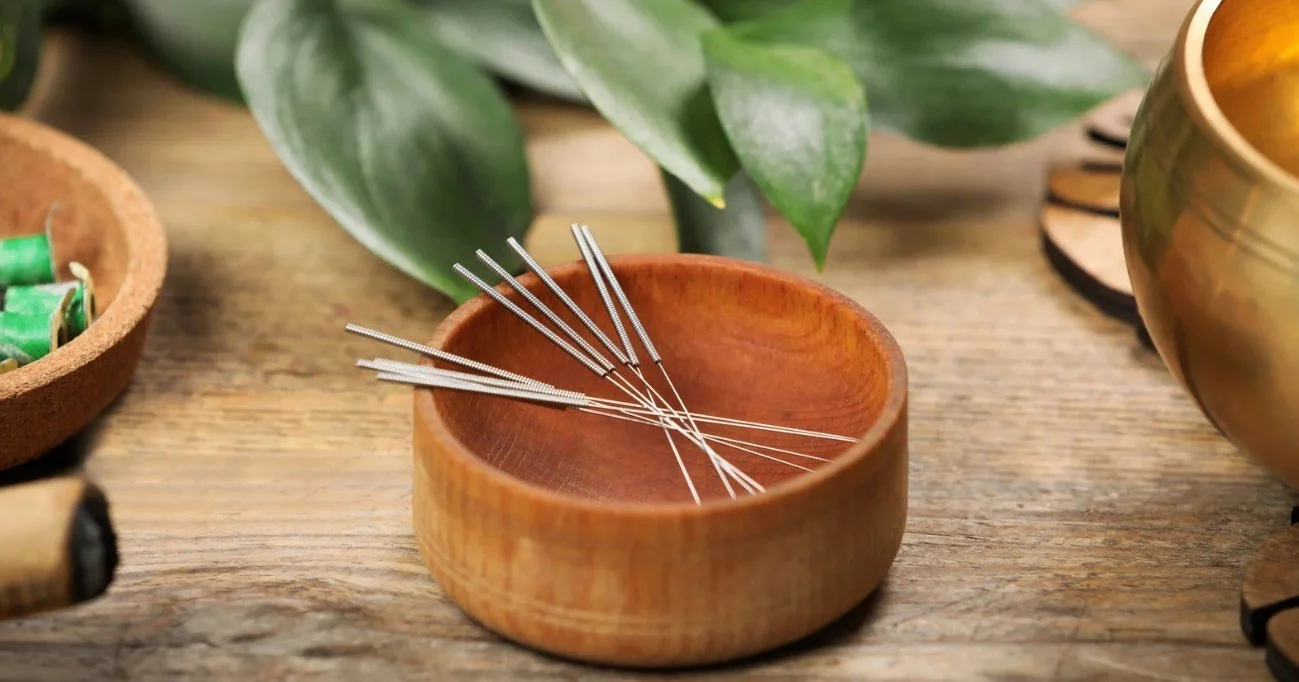
Acupuncture needles are solid, hair-thin, and flexible, a fraction of the diameter of the hollow needles used for injections or blood tests. Because they're so fine, most people feel little to nothing as the needle passes through the skin. Where there is sensation, it's usually a soft pinch that fades in a second or two, a dull ache, warmth, heaviness, or a mild tingling that spreads slightly from the point.
That dull, heavy, or achy feeling has a name in acupuncture practice: it's often referred to as the needle reaching the point, and many practitioners consider it a sign the treatment is working rather than a problem to fix. It's different from sharp, stinging pain, and it typically settles within moments.
What acupuncture is not is the sensation of an injection. There's no hollow needle pushing fluid through tissue, and no cutting edge designed to draw blood. The comparison people make most often after a first session is that it felt like far less than they expected.
Why Sensation Varies by Body Area
Not every point on the body feels the same. A few patterns are worth knowing before your first visit:
Fleshy areas (glutes, thighs, low back): Often barely noticeable, since there's more soft tissue cushioning the insertion.
Bony or joint areas (wrists, ankles, elbows): May produce a brief, sharper pinch with less tissue to soften it.
Hands and feet: Slightly more noticeable due to a higher concentration of nerve endings, though still typically mild.
Scalp and face: Usually described as tingling or light pressure rather than pain.
Ears (auricular points): Can feel more sensitive because of the cartilage, though sessions here are usually brief.
None of this means certain areas are off-limits. It simply means a practitioner adjusts technique and expectations based on where a point sits.
Sensation Guide: What's Normal and What's Not
Use this as a general reference for what you might feel during and after a session.
| Sensation | What It Typically Means | Normal? |
|---|---|---|
| A soft pinch on insertion | The needle passing through the skin | Yes, usually fades within seconds |
| Dull ache or heaviness at the point | A response often associated with reaching the correct depth | Yes, common and often expected |
| Warmth or mild tingling | Local blood flow and nervous system response | Yes |
| Persistent sharp pain during treatment | The needle may need repositioning | No, tell your practitioner right away |
| Small bruise at the needle site | A minor blood vessel was nicked | Common and usually harmless |
| Dizziness or lightheadedness | A vasovagal response, more common on an empty stomach | Uncommon, but tell your practitioner if it happens |
Curious whether acupuncture is the right fit for your specific condition? You can read more about how it's approached on the acupuncture page.
How Acupuncture Needles Are Regulated
Needle safety isn't left to individual judgment. Acupuncture needles are classified as medical devices and must be sterile, single-use, and properly disposed of after one treatment, which is a major reason serious complications are rare in professional settings. According to the National Center for Complementary and Integrative Health, complications that have occurred in the past were generally linked to nonsterile needles or improper technique, not to acupuncture itself when performed correctly. Choosing a licensed practitioner who uses individually packaged, single-use needles addresses the vast majority of safety concerns before treatment even begins.
What a First Acupuncture Appointment Generally Involves
A first visit is structured differently from follow-ups because more time goes into understanding your health history before any needling happens. A typical first appointment generally moves through four stages:
Health Intake and Assessment: A review of your medical history, current symptoms, medications, and a brief postural or movement check to understand what's driving your discomfort.
Treatment Plan Discussion: An explanation of where needles are likely to be placed, roughly how long the session will run, and whether complementary techniques such as cupping or dry needling might be layered in.
The Treatment Session Itself: Sterile, single-use needles are placed at the identified points, followed by a 15- to 30-minute rest period while they remain in place.
Post-Treatment Guidance: Brief notes on hydration, gentle movement, and what to expect over the following day or two, plus a general sense of how many sessions a plan might involve.
This structure isn't unique to any one clinic; it reflects how a first acupuncture visit is commonly organized so the practitioner has enough information to treat safely and effectively.
Before Your First Visit: A Simple Prep Checklist
A little preparation makes the sensation and the session itself easier to manage:
Eat a light meal within a few hours of your appointment; treatment on an empty stomach increases the odds of feeling lightheaded.
Avoid excessive caffeine right before your session, since it can make you more sensitive to needle sensation.
Wear loose, comfortable clothing that allows easy access to common treatment areas like the arms, legs, and back.
Bring a list of current medications and supplements, since some can affect bruising or bleeding at needle sites.
Arrive hydrated, and plan for a few extra minutes to fill out an intake form if it's your first visit.
Realistic Service Logistics to Know Before Booking
A few practical details are worth confirming before your appointment, since they affect scheduling and cost expectations:
Appointments are by booking only, and cancellations with less than 24 hours' notice are typically charged in full under standard clinic policy.
A physician's referral usually isn't required to book acupuncture, but confirming this with your insurance provider is worth doing if you plan to submit a claim.
Direct billing is commonly available to major insurance providers, which can reduce out-of-pocket costs at the time of your visit.
Acupuncture is often paired with other manual therapies, such as chiropractic care or therapeutic massage, rather than used as a standalone service.
Want to see how acupuncture might fit alongside other therapies in your recovery plan? Reach out to ask about current availability and get your questions answered before you commit to a session.
Local Considerations for Edmonton and St. Albert Patients

A few regional factors are worth keeping in mind if you're weighing acupuncture locally:
Cold-weather muscle guarding. Edmonton and St. Albert winters can leave muscles more tense heading into an appointment, which may make certain points feel slightly more sensitive on a first visit than they would in warmer months.
Active, outdoor-driven lifestyles. River valley running, winter sports, and recreational leagues are common locally, and acupuncture is frequently used alongside manual therapy for the overuse patterns that come with that activity level.
Insurance familiarity. Many Alberta extended health plans include some acupuncture coverage, though limits and eligible conditions vary by provider, so a quick check before your first visit avoids surprises.
Common Mistakes First-Timers Make
Skipping a meal beforehand and arriving on an empty stomach, which raises the odds of feeling lightheaded.
Not mentioning current medications, especially blood thinners, since these can increase bruising at needle sites.
Assuming every point on the body will feel the same, then being caught off guard by a more sensitive area.
Staying silent through discomfort instead of telling the practitioner, since needle position can usually be adjusted immediately.
Expecting a single session to resolve a chronic issue, when longstanding conditions typically need a structured multi-visit plan.
Booking a session right before a high-stakes commitment, since some people feel deeply relaxed or briefly drowsy afterward.
What To Do If Something Goes Wrong
Mild bruising, brief lightheadedness, or a dull ache lasting a few hours after treatment are common and usually resolve on their own with rest and hydration.
Speak up during your session, rather than waiting until afterward, if you notice:
Sharp, persistent pain that doesn't ease shortly after a needle is placed
Numbness or tingling that spreads beyond the treatment area
Sudden dizziness, nausea, or feeling faint
Contact the clinic promptly, rather than waiting for your next scheduled visit, if you notice signs of infection at a needle site, such as increasing redness, warmth, swelling, or discharge, or if you develop a fever. These are uncommon with sterile, single-use needles and proper technique, but they warrant medical attention rather than a wait-and-see approach.
Frequently Asked Questions
Does acupuncture hurt? Most people feel little to no sharp pain during acupuncture, since the needles are hair-thin and solid rather than hollow like an injection needle. Common sensations include a dull ache, warmth, heaviness, or mild tingling, which typically fade within moments.
What does the needle sensation actually feel like? It's often described as a dull ache, pressure, or heaviness at the point rather than a sting. This is different from the sharp sensation of an injection and is generally considered a normal part of the treatment.
Are acupuncture needles reused between patients? No. Acupuncture needles are regulated as medical devices and are required to be sterile, individually packaged, and used only once before disposal. This is one of the main reasons serious complications from properly performed acupuncture are rare.
Which body areas are more sensitive during acupuncture? Bony or joint areas like the wrists, ankles, and scalp tend to be slightly more noticeable than fleshy areas like the thighs or lower back. None of these areas are considered unsafe; sensation simply varies by location.
How long does a first acupuncture appointment take? First appointments generally run longer than follow-up visits because they include a full health intake and treatment planning discussion before any needling begins. The treatment portion itself typically involves 15 to 30 minutes of rest with the needles in place.
Do I need a doctor's referral for acupuncture? In most cases, no referral is required to book an acupuncture appointment. It's still worth confirming this with your specific insurance provider if you intend to submit a claim for coverage.
Is acupuncture safe for everyone? Acupuncture is generally considered safe when performed by a trained, licensed practitioner using sterile, single-use needles. Certain conditions or medications, such as blood thinners, are worth disclosing beforehand so the practitioner can adjust technique accordingly.
What should I do if I feel worse after a session? Mild bruising or brief tiredness is common and usually resolves within a day. If you notice signs of infection at a needle site or any sudden, severe symptoms, contact the clinic promptly rather than waiting for your next appointment.
Conclusion
For most first-timers, the fear of acupuncture is worse than the sensation itself. Hair-thin, sterile needles typically produce a dull ache, warmth, or mild tingling rather than sharp pain, and where you feel it depends largely on where the needle is placed. Knowing what a first visit generally involves, what to do to prepare, and how to tell normal sensation from something worth mentioning takes most of the uncertainty out of trying it for the first time.
Interested in acupuncture? Book now! If you're still weighing whether acupuncture makes sense for what you're dealing with, get in touch at 780-903-0866 with your questions before booking. You can also browse the FAQ page for quick answers on billing, referrals, and what to expect. Understanding the process in advance is the best way to walk into a first session without unnecessary worry.