
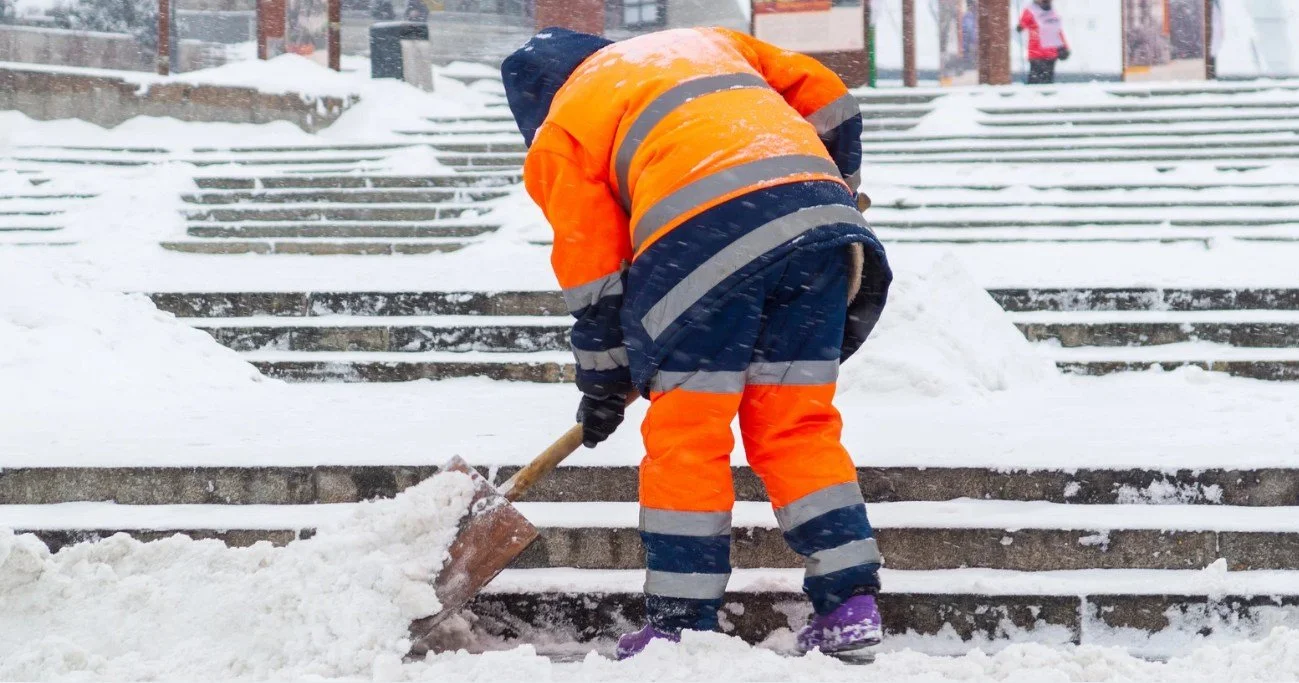
If your back seized up after clearing the driveway, or you landed hard on an icy sidewalk, you probably want answers to two questions. Is this a muscle strain that will settle with good self-care, or is it a sign of something that needs a doctor today? This guide helps you answer both. You will learn the warning signs that need emergency care, a simple 0–24–72 hour check you can run at home, what to do during the first three days, and when hands-on care makes sense in Edmonton and St. Albert.
This article is general information, not a diagnosis. If you have any red-flag symptoms listed below, get medical care first.
Quick Summary
Most back pain after shovelling is a muscle or ligament strain. The pain usually sits in the muscles beside the spine and changes with movement and position.
Go to emergency for numbness in the groin or inner thighs, new bladder or bowel problems, or leg weakness that is getting worse.
Call 911 for chest pain, pressure, or shortness of breath while shovelling. Shovelling strains the heart as well as the back.
After a fall on ice, get checked the same day if you hit your head, cannot bear weight, or have sharp pain in one spot of the spine, especially if you are over 50 or have low bone density.
Stay gently active. Short, frequent walks usually help a strain recover faster than bed rest.
Use the 0–24–72 Hour Back Check below to decide whether to keep managing at home or book an assessment.
Prevent the next injury by warming up, pushing snow instead of lifting it, and hinging at the hips.
Why Edmonton Winters Are Hard on Your Back
Shoveling combines the three movements that load the lower back most: bending forward, lifting weight away from your body, and twisting to throw. A full shovel of wet, heavy snow can be a significant load. Many people repeat that motion dozens or hundreds of times in one session.
Local conditions make it harder:
Cold, unprepared muscles. Many people shovel first thing in the morning before work, straight out of bed and without a warm-up.
The windrow. After a plow passes, the packed ridge at the end of the driveway is denser and heavier than fresh snow. It is often cleared last, when you are already tired.
Freeze-thaw ice. Mild days followed by cold nights turn melt into ice on steps, driveways, and sidewalks.
Clearing on a timeline. Edmonton and St. Albert both expect property owners to keep adjacent sidewalks clear of snow and ice, so people often push through a large job in one go.
Falls on ice injure the back differently. A backward fall onto the buttocks or tailbone sends force up through the pelvis and spine. Twisting to catch yourself can strain the muscles of the lower and mid back. Muscles also tend to tighten protectively for several days after a fall, which is why stiffness is often worse the next morning.
Muscle Strain or Something Serious? How to Tell the Difference
Most winter back injuries are strains of muscles or ligaments. Alberta's provincial Low Back Pain Pathway notes that low back pain is common, usually improves without surgery, and is rarely caused by a serious condition. The table below compares the usual pattern of a strain with signs that need a medical assessment.
| What you notice | Typical muscle strain | Needs medical assessment |
|---|---|---|
| Where it hurts | Muscles on one or both sides of the low back | Sharp pain on a single bony point of the spine, especially after a fall |
| When it started | During shovelling, later that day, or stiff the next morning | Immediately after a hard fall, with trouble standing or walking |
| How movement affects it | Worse with bending or twisting; eases when you change position | Severe, constant pain that no position relieves, or pain that wakes you at night |
| Leg symptoms | None, or a dull ache into the buttock | Numbness, tingling, or pain below the knee, or a weak leg or foot |
| Bladder, bowel, groin | Normal | Any new change: go to emergency |
| Other symptoms | None | Fever, chest pain, shortness of breath, unexplained weight loss, or a history of cancer |
| Trend at 72 hours | Noticeably easier to move | No better, or getting worse |
Go to Emergency or Call 911 Now If You Have
Numbness in the groin, buttocks, or inner thighs
New difficulty urinating, or loss of bladder or bowel control
Leg weakness that is getting worse, or a foot that drags or slaps when you walk
Chest pain, pressure, or shortness of breath during or after shovelling, or pain spreading to the arm, neck, or jaw
A hard fall where you hit your head, or severe spine pain after a fall if you are older or have low bone density
Back pain with fever
Book a Doctor's Visit Soon If
Pain or tingling travels below the knee
This is your first episode of severe back pain, and you are over 50
Pain is not improving after one to two weeks of sensible self-care
Not sure which group you fall into? In Alberta, you can call Health Link at 811 any time, day or night, to speak with a registered nurse.
The 0–24–72 Hour Back Check: A Simple Home Triage Framework
This three-checkpoint framework turns a confusing situation into three clear decisions. Run each check at the time shown and note your answers on your phone.
Check 1 – Hour 0: Safety screen. Stop shovelling. Go through the emergency list above. If any item applies, get medical care now. If none apply, rate your pain from 0 to 10 and note exactly where it sits.
Check 2 – Hour 24: Function test. Try four everyday movements slowly: getting out of bed, standing up from a chair, walking for five minutes, and putting on socks. Note which ones you can do and how much each one hurts. Also check again for any new leg numbness, tingling, or weakness.
Check 3 – Hour 72: Trend decision. Compare your morning pain score and your four movements to Hour 24.
Clearly better (pain down by at least 2 points, and more movements are easier): keep up self-care and plan hands-on treatment to restore full movement.
About the same: book an assessment with a qualified practitioner this week.
Worse, or new leg symptoms: see a doctor promptly.
Your First 72 Hours: Step-by-Step Timeline
Right away (hours 0–2): Stop shovelling and leave the rest of the job for someone else or later. Lie down in a comfortable position for a short rest: on your back with pillows under your knees, or on your side with a pillow between your knees.
Same day (hours 2–12): Apply heat for 15–20 minutes at a time to ease muscle guarding. If you fell and have a bruise or swelling, use a cold pack wrapped in a towel on that spot for the first day or two. Ask a pharmacist which over-the-counter pain reliever is safe for you.
First evening and night: Take short indoor walks every hour or two while awake. Avoid lifting, twisting, and sitting for long stretches.
Day 2: Run Check 2. Keep walking a little more often. Add gentle movement that does not increase pain, such as lying on your back and slowly rocking your knees side to side.
Day 3: Run Check 3 and act on the result. Avoid shovelling again until you can bend and twist without sharp pain.
Ready for a professional assessment? If you have no red flags but are still sore at 72 hours, book online at our South Edmonton or St. Albert location. Choose a therapeutic massage, chiropractic assessment, or kinesiology session and describe your injury in the booking notes.
When Hands-On Care Helps
Once serious causes are ruled out, the goal shifts from protecting the back to restoring normal movement. Different approaches suit different stages:
Gentle therapeutic massage can ease protective muscle tension around a fresh strain. Firmer work is usually better suited to the weeks after, once the injured tissue has started to heal.
A chiropractic assessment suits stiffness that feels joint-related, or pain with leg symptoms that needs a hands-on exam.
Kinesiology helps when strains recur every winter. It rebuilds the hip hinge, trunk endurance, and strength that shovelling demands.
More detail on how these approaches apply to different back problems is on the low back pain page.
Getting Care in South Edmonton and St. Albert: Practical Logistics
A few local details help you plan a visit after a winter injury:
Two locations. South Edmonton is at 9128 51 Ave NW (780-903-0866). St. Albert is at 210-4 Versailles Ave (587-930-4571).
Timing. Book as soon as you pass the Hour-72 check, so treatment starts while recovery is on track.
Allow for road conditions. Winter driving can add time. Arriving rushed and tense is not ideal for a sore back.
Session length. For a first massage visit, 60 minutes generally allows time for assessment and treatment.
Direct billing. The clinic directly bills major insurers for massage, chiropractic, acupuncture, and kinesiology. Some plans require a physician referral for reimbursement, so check your plan first. The clinic FAQ covers more booking questions.
Bring your notes. Your Hour 0, 24, and 72 pain scores and movement results give your practitioner a clear picture of how the injury has progressed.
Want to use your benefits before year-end? Call either location or check your coverage with your insurer, then book a session that fits your plan.
Before You Shovel Again: Prevention Checklist
Warm up for five minutes: walk, swing your arms, and do 10 slow hip hinges
Wear boots with good tread, and add ice cleats for icy walks and steps
Use a lightweight shovel with a bent shaft, or a pusher-style shovel
Push snow to the side instead of lifting it whenever you can
Take smaller loads, and keep the shovel close to your body
Bend at the hips and knees, and turn your feet instead of twisting your back
Rest every 10 to 15 minutes, and switch hands to share the load
Clear heavy snowfalls in stages rather than all at once
Break up the plow windrow in small sections, before it hardens
Spread sand or ice melt on steps and walkways after freeze-thaw cycles
Common Mistakes That Slow Recovery
Staying in bed for days. Rest beyond a day or two tends to increase stiffness. Gentle walking supports recovery.
Going back to shovelling the next morning. A partly healed strain is easy to re-injure. Get help with the next snowfall.
Stretching hard right away. Aggressive stretching can irritate freshly strained tissue. Start with gentle, pain-free movement.
Asking for deep pressure on day one. Firm work suits later stages. Early sessions should stay gentle.
Ignoring leg symptoms. Numbness, tingling, or weakness in the leg needs an assessment, not more waiting.
Assuming a fall only caused a bruise. Older adults and people with low bone density should have spine pain after a fall checked by a doctor.
What To Do If Something Goes Wrong
Your pain flares after shovelling again. Return to the self-care steps in the timeline for 48 hours. Arrange help with snow removal until you can bend and twist without sharp pain.
New leg numbness or weakness appears. Stop all exertion and see a doctor the same day. Go to emergency if any red flag from the list above appears.
You fall again or hit your head. Get medical care, especially if you have headache, confusion, nausea, or dizziness afterward.
You feel sore after a treatment. Mild soreness for 24 to 48 hours can be normal. Sharp or worsening pain is not. Contact your practitioner so the next session can be adjusted.
You are not improving after two weeks. Book a full assessment, and see your doctor if pain continues or limits daily activity.
You were hurt clearing snow at work. Report the injury to your employer right away, and ask about filing a claim with WCB-Alberta.
Frequently Asked Questions
How long does a back strain from shovelling snow take to heal?
Many mild back strains improve noticeably within a few days and settle over one to six weeks. Recovery depends on how severe the strain is and how active you stay. If pain is not improving after one to two weeks, book an assessment.
Should I use ice or heat after hurting my back shovelling?
Heat is generally the better choice for muscle spasm and stiffness in the low back. Use a cold pack on bruised or swollen areas after a fall, especially in the first day or two. Limit either one to 15–20 minutes at a time, with a towel between the pack and your skin.
Can I get a massage right after hurting my back?
Gentle massage can help ease muscle guarding once red flags are ruled out. Firmer, deeper work is usually better suited to the weeks after the injury, once healing is underway. Tell your therapist exactly when and how you were hurt.
When is back pain after slipping on ice an emergency?
Go to emergency if you hit your head, cannot stand or walk, have numbness in the groin, or notice new bladder or bowel problems. Severe pain in one spot of the spine after a fall also needs prompt medical assessment, especially for older adults or people with low bone density.
Can shovelling snow cause a herniated disc?
Yes, repeated bending and lifting under load can contribute to a disc injury. Warning signs include pain, numbness, or tingling travelling below the knee, or weakness in the leg or foot. These symptoms need a medical assessment rather than self-care alone.
Do I need a referral for massage therapy after a back injury in Alberta?
You do not need a referral to book a massage. Some insurance plans require a physician referral before they reimburse massage therapy, so check your plan's rules first.
Conclusion
Most back pain after shovelling or a slip on ice is a muscle strain that improves with gentle activity and good self-care. The key is knowing which signs need a doctor right away and which can be managed at home. Use the 0–24–72 Hour Back Check to make that decision with confidence, then rebuild strength and movement before the next snowfall.
Still sore after 72 hours, or want to prevent the next winter strain? Book an appointment online at our South Edmonton or St. Albert clinic. We direct bill major insurers, and our team can help you choose the right type of session for your injury.