
What Postpartum Massage Can Actually Help With: C-Section Recovery, Core Strain, and Nursing Posture
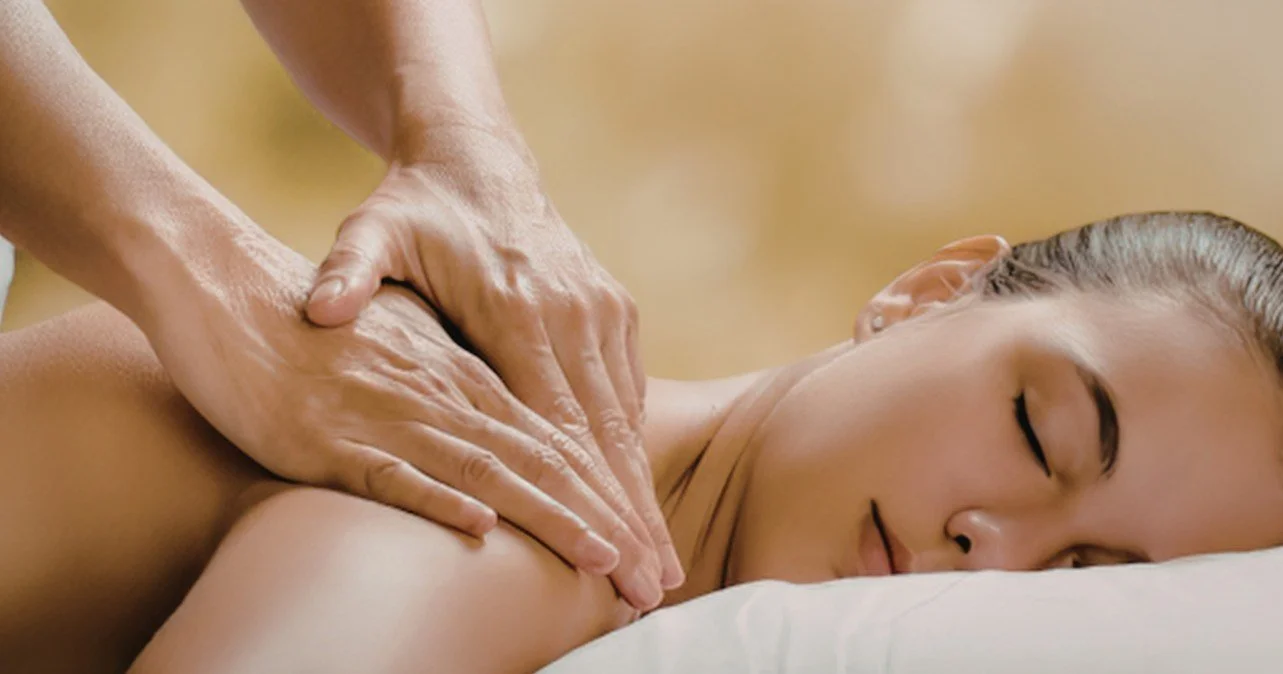
If you just had a baby and you're searching for postpartum massage, you're probably dealing with one or more of these: a C-section incision that still feels tight or pulls when you move, a stomach that doesn't feel "reconnected" the way it used to, or a neck and upper back that ache constantly from feeding. You want to know if massage actually helps with these specific problems, when it's safe to start, and what a session will realistically involve.
This guide answers that directly. It covers what postpartum massage is designed to address, what it can't do on its own, a realistic timeline for starting, and the mistakes that most commonly delay recovery. It's written for parents in the first year postpartum, not as a general wellness pitch.
Quick Summary
Postpartum massage is different from prenatal massage — it targets recovery issues that only appear after delivery.
Once cleared by a physician, gentle work around a C-section scar can help with tightness, tugging, and restricted movement as the incision heals.
Massage does not fix diastasis recti directly, but it can relieve the muscle guarding and compensatory tension that build up around a separated core.
Nursing and bottle-feeding postures place repetitive strain on the neck, shoulders, and upper back — often for months at a time.
Most postpartum massage should wait for medical clearance: typically around 6 weeks after a vaginal delivery and longer after a C-section.
A realistic recovery plan combines massage with pelvic floor physiotherapy or chiropractic care, not massage alone.
Booking two clinic locations (South Edmonton and St. Albert) makes scheduling around a newborn's routine more workable for many parents.
Postpartum Massage vs. Prenatal Massage: Not the Same Service
Prenatal massage is built around supporting a growing body — positioning around the belly, relieving pregnancy-related joint laxity, and managing swelling. Prenatal massage is well understood by most clinics.
Postpartum massage is a different problem entirely. The body has just gone through delivery (vaginal or surgical), hormone levels are shifting rapidly, and new repetitive movement patterns, lifting a car seat, feeding on one side, and hunching over a bassinet, are actively creating new tension. Treatment has to account for healing tissue, not just tight muscle.
The Three Issues Postpartum Massage Most Commonly Addresses
1. C-Section Scar Tissue and Surrounding Fascia
A cesarean incision heals in layers — skin, fascia, and abdominal muscle — and each layer can form scar tissue that restricts movement in the layers around it. This often shows up as:
A pulling or tugging sensation when standing up straight or reaching overhead
Numbness or tightness in a band across the lower abdomen
Reduced range of motion when twisting at the torso
Once a physician has confirmed the incision is fully closed and there's no sign of infection (usually 6–8 weeks, sometimes longer), gentle scar mobilization techniques can help soften adhered tissue and improve local blood flow. This is not deep pressure directly on a fresh scar — it's careful, graded work that increases in depth only as the tissue tolerates it.
2. Diastasis-Adjacent Core Strain
Diastasis recti — the separation of the abdominal muscles that occurs during pregnancy — is a structural issue that massage does not repair. That correction comes from targeted core rehabilitation, usually guided by a pelvic floor physiotherapist.
What massage can help with is the secondary tension that builds up around a separated core: the lower back, hips, and obliques often overwork to compensate for a weaker midline, leading to chronic tightness and guarding. Addressing that surrounding tension can make core rehab exercises more comfortable and easier to perform correctly, though it's not a substitute for the rehab itself.
3. Nursing and Feeding Posture
Feeding a newborn — breast or bottle — typically happens 8 to 12 times a day in the early months, often in a rounded-shoulder, forward-head position held for 20–40 minutes at a stretch. Over weeks, this produces a very consistent, recognizable pattern:
Tightness between the shoulder blades
Tension at the base of the skull and upper neck
Rounded shoulders and reduced thoracic spine mobility
This is one of the more straightforward issues to treat with massage, since it responds well to soft tissue work targeting the upper trapezius, rhomboids, and suboccipital muscles — similar in principle to how tech neck and posture-related tension is addressed outside of a postpartum context.
What Postpartum Massage Is Not a Substitute For
To be direct about limitations: massage is one part of a recovery plan, not the whole plan. It will not:
Reverse diastasis recti or rebuild core strength on its own
Diagnose or treat pelvic organ prolapse
Replace clearance from an OB or midwife after a complicated delivery
Resolve nerve pain, numbness that's spreading, or signs of infection
If any of those apply, the right next step is a physician or a pelvic floor physiotherapist before booking bodywork.
A Realistic Recovery Timeline
Every recovery is different, and this table is a general guide — not a substitute for individualized medical clearance.
| Weeks Postpartum | Typical Status | What Massage Can Reasonably Address |
|---|---|---|
| 0–2 weeks | Acute healing; incision closed but fresh | Generally too early for hands-on work near the abdomen; gentle upper-body relaxation only, with physician sign-off |
| 2–6 weeks | Vaginal delivery: often cleared for light activity. C-section: still healing internally | Neck, shoulder, and upper back tension from feeding; light circulation-focused work if cleared |
| 6–8 weeks | Standard 6-week checkup; most receive activity clearance | Scar mobilization can often begin (C-section, once fully closed); continued upper body work |
| 8–12 weeks | Scar tissue maturing; core rehab often underway | Deeper scar work; addressing compensatory low back/hip tension around a healing core |
| 3–6 months | Feeding routines established; posture patterns fully formed | Ongoing maintenance for nursing-related tension; supports core rehab progress |
For general guidance on returning to physical activity after delivery, the American College of Obstetricians and Gynecologists' postpartum exercise guidance is a useful reference point to discuss with your own care provider before resuming any hands-on treatment or exercise program.
Ready to talk through where you are in recovery? Book an appointment once you have clearance from your care provider, and the intake process will cover your delivery type and timeline before any hands-on work begins.
A Framework for Thinking About Postpartum Sessions: The Three-Layer Check
One practical way to think about a postpartum massage plan — used broadly across manual therapy, not unique to any single clinic — is to separate the body into three layers of concern before treatment starts:
Layer 1 — Medical status. Has the incision fully closed? Is there any numbness, redness, or discharge? Has a physician cleared activity? This layer determines whether hands-on work happens at all.
Layer 2 — Structural compensation. Where is the body overworking to protect a weaker area — low back, hips, opposite shoulder? This layer determines which regions get treated even if they're not where the pain is felt.
Layer 3 — Repetitive load. What is the daily feeding, lifting, and carrying pattern doing to the neck, shoulders, and wrists? This layer changes week to week as a baby grows and routines shift.
Thinking in these three layers helps separate "this needs a doctor first," from "this is compensation," from "this is just repetitive strain" — three very different problems that often get lumped together as generic postpartum pain.
Realistic Service Constraints and Logistics
A few practical realities worth knowing before booking:
Medical clearance is usually required before any abdominal or scar-area work, particularly after a C-section. Clinics should ask about delivery type and timeline during intake.
Session length may be shorter early on. A 30–45 minute session is often more realistic than a full 60–90 minutes in the first few postpartum months, especially around a feeding schedule.
Positioning changes. Lying face-down may be uncomfortable with engorged or nursing breasts; side-lying or semi-reclined positioning is common in early postpartum sessions.
Newborns and childcare. Not all treatment rooms can accommodate a baby carrier or bassinet — confirm this when booking if you don't have childcare arranged.
Two clinic locations — South Edmonton and St. Albert — mean scheduling can work around whichever side of the city is easier to reach with a newborn in tow.
Not sure whether your recovery timeline lines up with when to start? Request a consult and describe your delivery type and current symptoms — the intake process is built to route you to the right modality and timing.
Checklist: Before Your First Postpartum Massage
Get written or verbal clearance from your OB, midwife, or GP — especially after a C-section or any delivery complication.
Note the date of delivery and delivery type so you can share it during intake.
Flag any numbness, ongoing pain, or incision concerns before the session, not during it.
Plan feeding around the appointment — feed shortly before if nursing, to reduce discomfort during positioning.
Arrange childcare or confirm the clinic can accommodate a baby if you don't have coverage.
Start with a shorter session (30–45 minutes) rather than booking a full 90-minute treatment on the first visit.
Mention any related care you're already receiving — pelvic floor physiotherapy or chiropractic care — so treatment can be coordinated rather than duplicated.
Common Mistakes New Parents Make
Booking deep tissue work too early. Requesting firm pressure on the abdomen before an incision has fully matured can irritate healing tissue rather than help it.
Skipping medical clearance. Assuming "it's been a few weeks" is the same as being cleared for hands-on work — it isn't, particularly after a surgical delivery.
Treating only the pain site. Only addressing the neck when the real driver is compensatory tension through the mid-back and hips from a weakened core.
Expecting massage to fix diastasis recti. Massage relieves surrounding tension; it does not close the muscle separation — that requires targeted rehab exercise.
Waiting too long to address nursing posture. Letting upper back and neck tension build for months before seeking treatment, when early, shorter sessions can prevent it from becoming chronic.
What to Do If Something Goes Wrong
If you experience any of the following, stop and contact your physician before continuing with massage or any other bodywork:
Increasing pain, swelling, redness, or discharge near a C-section incision
New or spreading numbness, tingling, or a burning sensation
A sudden increase in abdominal separation or a visible bulge along the midline
Fever, chills, or other signs of infection
Pain that gets worse after a massage session rather than improving over the following days
A qualified massage therapist should also ask about these symptoms during intake and decline or modify treatment if any are present. If a session ever feels wrong — too much pressure, wrong area, or increasing rather than easing discomfort — say so immediately; treatment should be adjusted or stopped, not pushed through.
FAQ
How soon after a C-section can I get a massage? Most clinics wait until the incision is fully closed and a physician has cleared activity, which is typically 6–8 weeks, though this varies by individual healing. Scar-specific work usually starts even later, once the tissue has matured further.
Can massage help close diastasis recti? No. Massage can relieve the muscle tension and compensation that build up around a separated core, but closing the separation itself requires targeted core rehabilitation, usually guided by a pelvic floor physiotherapist.
Is it safe to get a massage while breastfeeding? Yes, in most cases. Positioning is typically adjusted to avoid pressure on engorged breasts, and many parents find it helpful to feed shortly before the appointment.
What's the difference between prenatal and postpartum massage? Prenatal massage supports a pregnant body and manages pregnancy-specific discomfort. Postpartum massage addresses recovery from delivery itself — including C-section healing, core-related compensation, and repetitive strain from feeding and infant care.
Why does my neck and upper back hurt so much after having a baby? Repeated feeding positions — rounded shoulders and a forward head held for 20-plus minutes multiple times a day — place sustained strain on the neck, shoulders, and upper back, which builds into chronic tension over weeks.
Do I need a doctor's note before booking postpartum massage? A formal note isn't always required, but you should have verbal clearance from your OB, midwife, or GP, particularly after a C-section or any delivery complication, and be prepared to share your delivery timeline during intake.
How long does a typical postpartum massage session last? Early postpartum sessions are often shorter — around 30 to 45 minutes — to accommodate feeding schedules and reduced tolerance for extended positioning, with longer sessions introduced later in recovery.
Conclusion
Postpartum massage isn't a single, generic service — it's three distinct problems that happen to show up around the same time: healing scar tissue, compensation around a weakened core, and repetitive strain from feeding a newborn. Each responds to a different approach, and each depends on where you actually are in recovery, not just how many weeks have passed since delivery. Massage works best as one piece of a broader recovery plan alongside medical clearance and, where needed, pelvic floor physiotherapy — not as a stand-alone fix. Used at the right time, with the right expectations, it can meaningfully ease the physical strain of the fourth trimester while the rest of your recovery continues on its own timeline.
Recovery after delivery isn't linear, and the right time to start postpartum massage depends on your delivery type, your clearance status, and what symptoms you're actually dealing with. If you're unsure where you fall on that timeline, the safest next step is a conversation, not a guess. Book an appointment to discuss your specific recovery and get a treatment plan suited to where you are right now.